

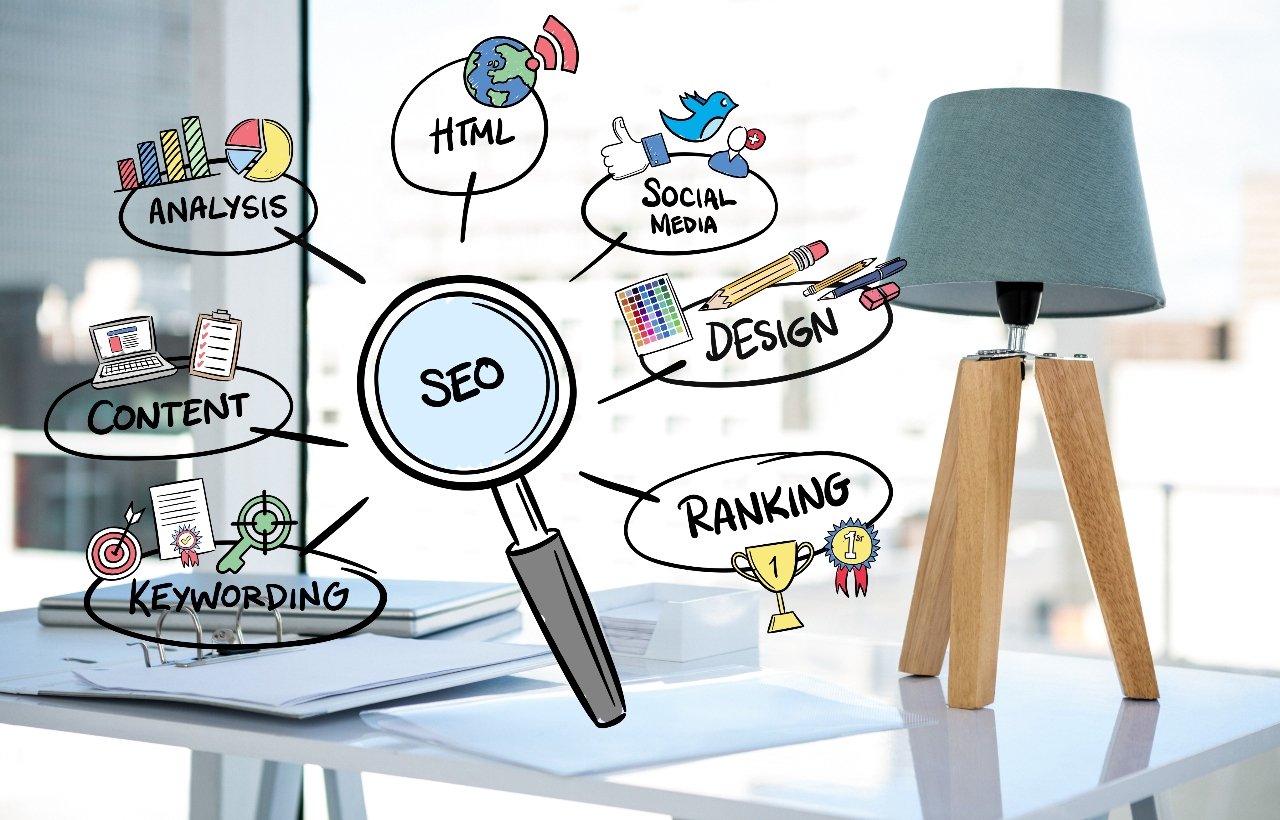
Artificial intelligence (AI) is transforming the way search engines interpret, rank, and display search results. With AI-driven algorithms like Google’s RankBrain and BERT, businesses must adjust their SEO strategies to keep up with these changes. In this blog post, we will explore eight practical ways to adapt your SEO strategy to succeed in the era of AI search. These strategies are designed to ensure your website remains visible and competitive in a world where AI plays an increasingly dominant role in search engine results.
1. Focus on User Intent and Context
AI-powered search engines are becoming more adept at understanding the intent behind a user’s search query. Unlike traditional SEO, which primarily focused on keywords, AI search engines aim to provide answers that align with the user’s needs and context.
Understanding Search Intent
As a B2B food marketing agency, understanding your audience’s search intent is crucial. Whether users are looking for product information, recipes, or supplier details, AI-powered search engines can now detect the intent behind queries more effectively. This means that your content must cater to specific user needs by providing valuable, relevant, and contextually appropriate information.
Creating Content Around Topics, Not Just Keywords
With AI, creating content that covers a topic comprehensively rather than focusing on isolated keywords is essential. Focus on answering all potential questions a user may have around a subject, creating in-depth, authoritative content. AI algorithms will reward well-rounded, high-quality content that satisfies search intent.
2. Improve Natural Language Processing (NLP) Compatibility
AI search engines utilize Natural Language Processing (NLP) to understand and interpret human language. This shift means that SEO strategies must evolve to cater to more conversational, natural language queries.
Optimizing for Conversational Keywords
With the rise of AI search, people are now using voice assistants like Siri, Alexa, and Google Assistant more frequently. These voice searches are typically longer and more conversational. To adapt, focus on long-tail keywords and phrases that match how people naturally speak, rather than just short-form keywords. This approach will help you better match AI’s interpretation of natural language.
Enhancing Structured Data and Schema Markup
Adding structured data and schema markup to your content helps AI algorithms understand the meaning of your content. By providing additional context about your products or services through schema, you increase your chances of ranking for relevant search queries.
Working with an enterprise search engine optimization services provider will help you integrate structured data effectively, ensuring that your content is better understood by AI-driven search engines.
3. Prioritize Mobile-First and Voice Search Optimization
AI search engines give increasing importance to mobile optimization and voice search. With more users relying on mobile devices and voice assistants for their queries, SEO strategies must be adapted accordingly.
Mobile-First Indexing
Since Google now primarily uses the mobile version of websites for indexing and ranking, ensuring your website is mobile-friendly is non-negotiable. Optimize your site for mobile use by focusing on fast load times, responsive design, and easy navigation. If your website is optimized for mobile, AI algorithms will find it easier to rank your pages higher in search results.
Voice Search Optimization
Voice search queries are often longer and more conversational. Optimizing for voice search requires adapting your content to answer specific questions and queries. For instance, instead of just listing product names or features, consider framing your content to directly answer the questions users may ask when searching via voice.
4. Create High-Quality, Engaging Content
In an AI-driven world, content quality is more important than ever. AI algorithms prioritize high-quality, engaging content that resonates with users. Simply stuffing pages with keywords will no longer cut it.
Comprehensive and Authoritative Content
AI algorithms reward content that provides in-depth answers to user queries. To succeed in AI search, create authoritative content that thoroughly covers topics of interest. Focus on delivering clear, well-researched, and valuable information that addresses user questions in a way that is easy to understand.
Working with a B2B food marketing agency can help you create highly engaging, industry-specific content that meets the unique needs of your audience while aligning with the expectations of AI-powered search engines.
Engaging Multimedia Content
Including rich media such as images, videos, and infographics in your content enhances engagement and boosts SEO. AI search engines consider user engagement signals when ranking content, so incorporating visual elements that complement your written content can improve your rankings.
5. Leverage AI for Personalization and Recommendations
AI allows for the personalization of search results based on individual user preferences, behavior, and history. Personalization is an essential strategy for improving user experience and ranking higher in AI-driven search results.
Personalizing User Experience
Leverage AI tools to personalize content recommendations, product suggestions, and search results for your users. AI can analyze user behavior and adapt the content they see based on their interests, improving engagement and satisfaction. Personalization also helps businesses target the right audience more effectively, increasing conversion rates.
By working with centric, you can implement advanced personalization techniques that align with AI algorithms, ensuring that your site offers a tailored experience for every user.
6. Optimize for Featured Snippets and Rich Results
Featured snippets and rich results are becoming increasingly important in AI search results. These elements provide users with quick answers at the top of the search page and are a highly sought-after ranking position.
Targeting Featured Snippets
To rank for featured snippets, focus on structuring your content in a way that directly answers common questions. Use bullet points, numbered lists, and concise answers to improve your chances of appearing in the snippet section. AI search engines prioritize content that offers quick, valuable answers to user queries.
Rich Snippets with Schema Markup
Utilize schema markup to help AI understand and categorize your content. This can lead to rich snippets such as star ratings, product prices, and availability, which increase visibility and CTR (click-through rate). AI search engines use this additional data to enhance the presentation of search results.
7. Optimize for Local SEO
Local search is essential for businesses that rely on foot traffic or serve specific geographic areas. With AI and machine learning, search engines have become better at delivering localized results, making it critical to optimize your website for local SEO.
Local Listings and Reviews
Ensure your business is listed on Google My Business and other local directories. AI search engines prioritize local businesses when users perform location-based searches. Positive reviews also contribute to local SEO performance, so encourage satisfied clients to leave feedback.
For businesses seeking enterprise search engine optimization services, local SEO should be a key focus to ensure your site ranks well for location-specific queries.
Location-Based Content
Incorporate location-based keywords and create localized content that speaks to your target audience. AI-driven search engines can better understand location relevance, so tailoring your content to specific regions or cities can boost your visibility in local search results.
8. Use AI-Powered Tools for Continuous Optimization
AI can significantly enhance the SEO process by providing real-time insights and optimization suggestions. AI-powered SEO tools help monitor website performance, identify issues, and recommend improvements based on current search trends.
Real-Time Data and Insights
AI tools can provide actionable insights on everything from keyword performance to technical SEO issues. Use these insights to continuously optimize your content and strategy. Real-time data will enable you to make informed decisions and adapt to search trends more quickly.
By partnering with centric, you can integrate AI-powered SEO tools into your marketing strategy, ensuring that your website remains optimized for search engines and user experience.
Conclusion
AI search is revolutionizing the SEO landscape, and businesses must adapt to stay ahead. By focusing on user intent, optimizing for mobile and voice search, creating high-quality content, and leveraging AI tools, you can ensure your SEO strategy remains effective in 2026 and beyond. Whether you’re working with a B2B food marketing agency, using enterprise search engine optimization services, or partnering with centric, embracing AI will help you drive more organic traffic and improve your overall search performance.