

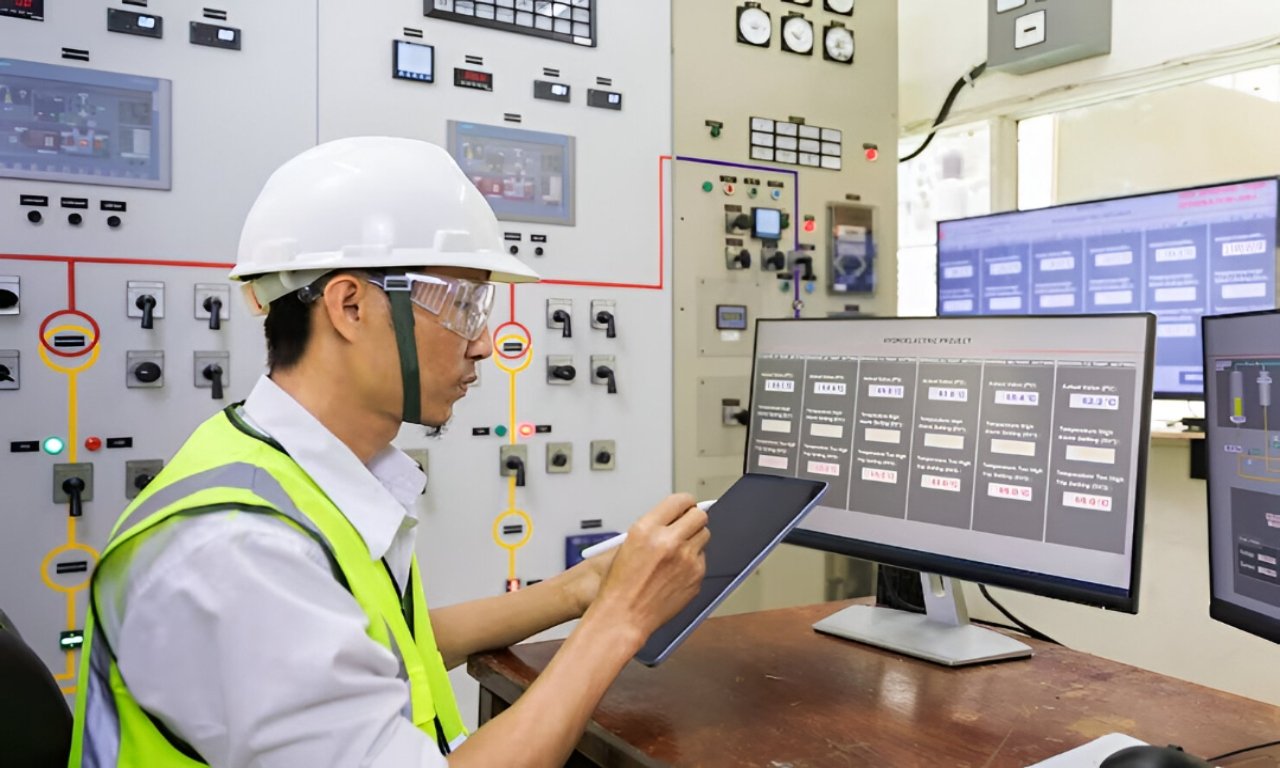
Electrical systems are long-term investments that support daily operations across residential, commercial, and industrial environments. While proper design and installation are critical, the true performance of an electrical system depends on how well it is maintained throughout its lifecycle. Electrical maintenance and asset management play a vital role in ensuring safety, reliability, and cost efficiency over time.
In modern infrastructure, electrical systems are expected to perform consistently for years under changing loads and operating conditions. Without a structured maintenance approach, even high-quality systems can deteriorate prematurely, leading to downtime, safety risks, and unexpected expenses.
Understanding the Electrical Asset Lifecycle
The electrical asset lifecycle includes every stage from system planning and installation to operation, maintenance, and eventual replacement. Each phase affects the overall performance and longevity of the system.
The main stages of the lifecycle include:
- Design and installation
- Commissioning and operation
- Routine maintenance
- Performance optimization
- System upgrade or replacement
Managing these stages effectively helps organizations get maximum value from their electrical investments.
Why Electrical Maintenance Is Often Overlooked
Many organizations focus heavily on installation but underestimate the importance of ongoing maintenance. Electrical systems often operate quietly in the background, which makes problems less visible until a failure occurs.
Neglecting maintenance can result in:
- Sudden equipment failure
- Increased downtime
- Safety hazards
- Higher repair and replacement costs
A proactive maintenance strategy prevents small issues from becoming major problems.
Preventive vs. Reactive Maintenance
Electrical maintenance generally falls into two categories: reactive and preventive. Reactive maintenance addresses problems after they occur, while preventive maintenance focuses on avoiding failures altogether.
Preventive maintenance offers several advantages:
- Early detection of faults
- Reduced risk of system failure
- Improved safety
- Lower long-term costs
Organizations that rely solely on reactive maintenance often experience higher operational risks and expenses.
How Preventive Maintenance Improves Reliability
Preventive maintenance involves regular inspection, testing, and servicing of electrical components. This approach ensures that systems continue to operate within safe and efficient limits.
Key preventive maintenance activities include:
- Visual inspections of equipment
- Thermal scanning to detect overheating
- Testing protective devices
- Checking connections and insulation
These actions help maintain stable system performance and extend equipment lifespan.
One provider supporting long-term electrical performance through quality-focused products is Eabel Electrical Solutions, which emphasizes reliability and durability in modern electrical systems.
Asset Management for Electrical Systems
Electrical asset management goes beyond basic maintenance. It involves tracking system performance, planning upgrades, and making informed decisions about repairs or replacements. Effective asset management ensures that electrical systems align with operational goals and budget constraints.
Strong asset management helps organizations:
- Prioritize maintenance tasks
- Plan capital investments
- Reduce unexpected failures
- Improve system efficiency
Managing assets strategically allows organizations to balance performance and cost over time.
The Cost Benefits of Structured Maintenance
Although maintenance requires investment, it significantly reduces long-term costs. Unexpected failures often result in emergency repairs, production losses, and equipment damage, which are far more expensive than planned maintenance.
Benefits of structured maintenance include:
- Lower repair costs
- Reduced downtime
- Extended equipment life
- Improved operational planning
Organizations that invest in maintenance gain better control over expenses and system reliability.
Electrical Maintenance in Industrial and Commercial Environments
Industrial and commercial facilities operate under demanding conditions. Heavy machinery, continuous operation, and high electrical loads place constant stress on electrical systems.
In such environments, maintenance focuses on:
- Load performance monitoring
- Equipment condition assessment
- Protection system testing
- Environmental impact management
Regular maintenance ensures uninterrupted operations and protects critical assets.
The Role of Technology in Maintenance Planning
Modern technology has transformed electrical maintenance. Digital monitoring tools and data analysis help organizations track system health in real time. These tools enable predictive maintenance, where potential failures are identified before they occur.
Technology-driven maintenance allows organizations to:
- Monitor equipment condition continuously
- Predict maintenance needs
- Reduce unplanned outages
- Improve decision-making
Using data effectively enhances both reliability and efficiency.
Custom Maintenance Strategies for Different Facilities
No two facilities have identical electrical systems or operating conditions. Maintenance strategies must be customized based on system size, load patterns, and environmental factors.
Customized maintenance plans provide:
- Better system protection
- Improved safety
- Efficient resource allocation
- Long-term performance stability
Tailored strategies ensure maintenance efforts deliver maximum value.
Safety Benefits of Proper Electrical Maintenance
Safety is one of the most important outcomes of effective maintenance. Faulty or poorly maintained electrical systems increase the risk of accidents, fires, and equipment damage.
Proper maintenance helps:
- Identify hazardous conditions early
- Maintain protective devices
- Reduce risk of electrical incidents
- Ensure safe working environments
Safety-focused maintenance protects both people and property.
Professional Expertise in Electrical Maintenance
Maintaining modern electrical systems requires technical expertise and experience. Professional electrical solution providers understand system behavior, failure patterns, and best maintenance practices.
A company like eabel.com focuses on delivering modern electrical products that support long-term system performance and maintenance reliability. Professional-grade components make maintenance more effective and predictable.
Planning for System Upgrades and Replacement
No electrical system lasts forever. Asset lifecycle management includes planning for upgrades or replacement when systems reach the end of their useful life. Proactive planning prevents sudden failures and budget shocks.
Future-focused lifecycle planning emphasizes:
- System scalability
- Compatibility with new technologies
- Safe and efficient upgrades
- Cost-effective replacement strategies
Planning ahead ensures smooth transitions and continued performance.
Long-Term Value of Maintenance-Focused Electrical Systems
Organizations that prioritize electrical maintenance and asset management benefit from long-term stability and performance. Well-maintained systems operate efficiently, safely, and reliably over extended periods.
Key long-term benefits include:
- Improved reliability
- Lower total ownership costs
- Enhanced safety and compliance
- Better operational confidence
For organizations seeking durable and maintenance-friendly electrical solutions, Eabel Electrical Solutions continues to support modern infrastructure with quality-driven and performance-focused electrical products.
Conclusion
Electrical maintenance and asset lifecycle management are essential for maximizing system performance over time. While installation sets the foundation, ongoing maintenance determines long-term success. Proactive maintenance strategies reduce risks, control costs, and ensure reliable operation.
By investing in structured maintenance and professional electrical solutions, organizations build resilient systems that support safety, efficiency, and sustainable growth for years to come.