

Protecting your home requires more than simply locking the doors at night. Taking proactive security and safety measures is essential, as homes are vulnerable to a range of everyday hazards, including burglaries and household accidents. By staying vigilant and prepared, you can maintain your peace of mind, protect your loved ones, and minimize the risk of costly incidents or property damage. These steps can range from utilizing smart technology for home security to adopting daily habits that help keep your home safe and secure. In addition, if you’re seeking to financially protect your investment, consider exploring the best deals on homeowners insurance as part of a comprehensive security strategy. Insurance can offer a financial safety net in the unlikely event of theft, fire, or a natural disaster, making it a crucial element of home protection.
Reducing risks requires ongoing planning and vigilance—safety isn’t a one-time effort. Regular maintenance, inspections, and security upgrades can improve your home’s safety, comfort, and value. Educating household members about safety adds another layer of protection. These steps can also lower insurance costs and enhance well-being. Learn essential tips to prevent risks like fire and burglary, helping to avoid harm and loss.
Install Smoke and Carbon Monoxide Detectors
Smoke and carbon monoxide detectors are vital for alerting you to fires and gas leaks, giving you time to react. Place detectors on each home level, especially near sleeping areas and kitchens, as these are most vulnerable. Don’t forget basements and attics, which can also pose risks. Test all detectors monthly and change batteries twice a year, like during daylight saving time. According to the CDC, most smoke and CO poisoning emergencies are preventable with working alarms. Replace detectors every 7–10 years, as sensors wear out. An interconnected alarm system, where all detectors sound when one is triggered, offers increased safety.
Secure Windows and Doors
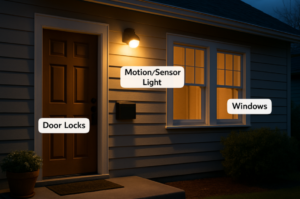
Entry points such as windows and doors are the most common ways intruders gain access to homes. Make sure each window has a sturdy lock and reinforce sliding doors with security bars or dowels to prevent them from being forced open from the outside. Installing deadbolts on all exterior swinging doors adds an extra layer of protection, as does choosing solid-core doors that are more difficult to break or kick in. Even while you’re at home, keeping doors and windows locked serves as a strong deterrent against would-be intruders. Adding smart locks and cameras can further enhance your home’s security, allowing you to monitor your property from anywhere and granting access only to trusted visitors. Exterior lighting with motion sensors may also deter trespassers during nighttime hours by increasing visibility and making your home a less attractive target.
Maintain Your Home’s Structure
Proper structural maintenance helps prevent costly damage and safety issues. Regularly inspect the roof for damaged shingles, loose tiles, and worn flashing to prevent leaks and water buildup, which can cause structural damage or mold growth. Make it a habit to clean out gutters and downspouts each season, especially in the fall and spring, to prevent water damage from runoff or ice dams. Inspect walls, foundations, and exterior siding for cracks, holes, or gaps to prevent unwanted weather and pests from entering your home. Address small repairs promptly before they escalate into costly ones. Inside, look for signs of leaks beneath sinks, around windows and doors, or near appliances—a musty odor or soft spots in floors can indicate moisture problems hidden from view.
Keep Walkways Clear of Clutter
Trip-and-fall accidents are among the most common home injuries, affecting individuals of all ages but particularly dangerous for young children and older adults. Clear hallways, stairs, and entryways of shoes, bags, toys, and loose rugs to reduce hazards. Consider installing storage solutions, such as shelves or bins, to help everyone in your household keep areas tidy easily. Use non-slip mats under rugs to avoid slipping, especially on hardwood or tile surfaces. Also, check for uneven flooring or steps that may pose additional risks. If you have senior family members or young children, proper lighting and handrails become even more important—nightlights in hallways and stairwells, along with sturdy railings on all stairs, can significantly improve safety. Clearing clutter is a simple yet highly effective way to prevent accidents and maintain a safe environment throughout your home.
Anchor Heavy Furniture
Large furniture like bookcases, dressers, and TVs can tip over, especially with children who may pull or climb. Secure them to the wall with anti-tip kits, available at most hardware stores and inexpensive. Anchoring furniture prevents most tip-over accidents, a leading cause of injury in children. When arranging furniture, place heavier items on lower shelves or drawers for stability. Keep attractive objects off tall furniture to discourage climbing. These safety measures protect children, pets, and visitors.
Be Cautious on Social Media
It’s easy to overlook digital risks when focusing on household safety, but oversharing online can jeopardize your home’s security if not managed with care. Broadcasting your travel plans, daily routines, or upcoming absences on social media can inadvertently make your home a target for theft, as would-be burglars may monitor public posts for empty houses. Consider waiting until you return from a trip to share vacation photos, and avoid announcing extended time away from home. It’s also important to regularly review your privacy settings to control who can see your content, and educate all family members about these risks. Limiting public posts about being away can significantly reduce the likelihood of break-ins and provide an additional layer of protection against digital-age threats.
Prepare for Emergencies
Having a clear family emergency plan can save lives during disasters. Establish and practice escape routes for fires or storms so everyone knows where to go quickly, even in darkness. Designate a safe outside meeting spot and ensure contact methods if separated. Build and maintain an emergency kit with essentials like bottled water for days, non-perishable food, flashlights, batteries, first aid supplies, blankets, and copies of important documents. Teach family members—including children—how to use 911 and operate basic safety tools to respond confidently in emergencies. Training your family on basic emergency procedures ensures everyone is prepared and can improve outcomes during unexpected events, making your household more resilient and secure.
A well-defended home results from consistent attention to safety basics. By installing alarms, securing entrances, keeping walkways clear, anchoring heavy furniture, managing your digital footprint, and preparing your family for emergencies, you can create a safer environment for everyone. Remember, home safety starts with awareness and continues through daily action, routine maintenance, and informed preparedness.
Conclusion
In conclusion, creating a safe home requires a proactive, multi-layered approach. Installing smoke and carbon monoxide detectors, reinforcing doors and windows, and regular maintenance reduce risks. Keeping walkways clear and anchoring heavy furniture prevent accidents. Addressing digital security and emergency plans covers modern threats. Applying these strategies helps homeowners build a resilient household with safety as a daily habit, offering peace of mind and security.