

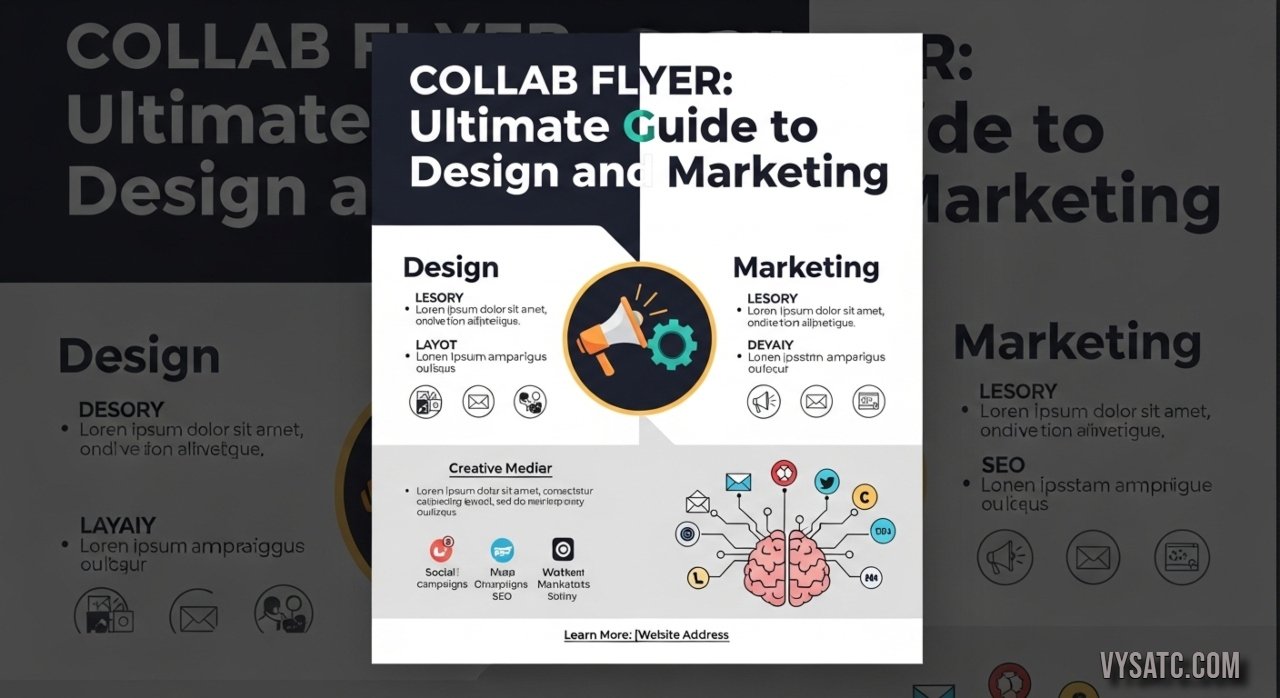
In today’s fast-paced marketing world, visual communication plays a critical role in attracting attention and building brand awareness. One tool that has gained popularity for promoting collaborations, events, and campaigns is the collab flyer. This type of flyer not only informs audiences but also visually represents partnerships, creative projects, and co-branded initiatives.
In this article, we’ll explore what a collab flyer is, why it’s effective, design principles, content strategies, distribution methods, and tips to maximize its impact.
What Is a Collab Flyer?
A collab flyer is a promotional tool designed to highlight a collaborative event, partnership, or co-branded campaign. Unlike standard flyers, it emphasizes the joint effort between brands, artists, organizations, or influencers.
Key characteristics include:
- Dual branding elements
- Highlighting shared goals or projects
- Engaging visuals and clear messaging
Collab flyers are commonly used for events, music releases, pop-up shops, workshops, and community campaigns.
Why Collab Flyers Are Effective
Visual Appeal
A collab flyer immediately captures attention through bold colors, graphics, and imagery. When two brands collaborate, a flyer serves as a visual statement of the partnership.
Brand Awareness
By showcasing multiple brands together, a collab flyer increases exposure and helps each entity reach the other’s audience.
Informative Communication
A well-designed collab flyer conveys all essential information, such as event dates, locations, and participant details, in a concise format.
Versatility
Collab flyers can be used digitally or in print, making them suitable for social media promotion, email campaigns, and physical distribution.
Key Elements of a Successful Collab Flyer
Branding
Include logos, taglines, and colors from all collaborating parties. This helps in recognition and reinforces brand identities.
Clear Headline
Use a concise and compelling headline that immediately informs the audience about the collaboration or event.
Eye-Catching Visuals
High-quality images, graphics, and typography enhance the flyer’s appeal and encourage engagement.
Event Details
Include crucial information such as date, time, venue, ticket links, and contact information.
Call-to-Action (CTA)
Encourage viewers to take immediate action, like “Register Now,” “Get Tickets,” or “Follow for Updates.”
Design Principles for Collab Flyers
Color Harmony
Choose a color palette that complements both brands. Avoid clashing colors to maintain a professional look.
Typography
Use readable fonts and highlight key details. Hierarchy in text size ensures important information stands out.
Layout and Spacing
Maintain balance and avoid clutter. Use white space effectively to make content digestible.
Consistency
Keep branding consistent with the collaborating entities’ visual identity. This helps in creating trust and recognition.
Visual Hierarchy
Prioritize information so viewers can quickly identify the headline, visuals, and key details.
Content Strategies for Collab Flyers
Target Audience Analysis
Understand who the flyer is for and tailor content to appeal to their preferences, interests, and demographics.
Messaging Tone
Keep the language aligned with both brands’ identities, whether it’s fun, professional, artistic, or casual.
Highlight Benefits
Clearly state what attendees or participants gain from the collaboration or event.
Testimonials or Influencer Endorsements
Include quotes, images, or mentions of partners to increase credibility and social proof.
Types of Collab Flyers
Event Flyers
Used for co-hosted events such as concerts, workshops, or pop-up markets.
Product Collaboration Flyers
Promote joint products or services released by two or more brands.
Charity or Community Flyers
Highlight collaborative campaigns for social causes, fundraising, or awareness initiatives.
Online/Virtual Event Flyers
Digital collab flyers can be shared on social media, websites, and email newsletters.
Digital vs. Print Collab Flyers
Digital Flyers
- Easily shareable on social media and messaging apps
- Can include interactive elements like links and QR codes
- Lower production cost
Print Flyers
- Tangible and suitable for local events and physical locations
- High-quality prints enhance perception of professionalism
- Effective for direct distribution in high-traffic areas
Many successful campaigns combine both formats to maximize reach.
Distribution Strategies for Maximum Impact
Social Media Sharing
Post collab flyers on Instagram, Facebook, Twitter, and LinkedIn to reach diverse audiences.
Email Marketing
Send flyers to your mailing list, highlighting collaboration benefits and CTAs.
Physical Locations
Distribute print flyers at partner stores, cafes, events, or local community centers.
Partnerships
Encourage partners to share the flyer with their audiences, expanding reach exponentially.
Online Communities
Share in relevant forums, groups, and online communities to target niche audiences.
Benefits of Using a Collab Flyer
Increased Engagement
A visually appealing collab flyer attracts attention and encourages interactions, shares, and attendance.
Cost-Effective Marketing
Designing a single flyer for multiple brands reduces marketing expenses while maximizing exposure.
Stronger Partnerships
Creating and distributing a collab flyer strengthens the relationship between brands or collaborators.
Measurable Results
Using digital flyers with links or QR codes allows tracking of engagement and conversion rates.
Common Mistakes to Avoid
Cluttered Design
Too much text or too many graphics can overwhelm viewers. Keep it simple and focused.
Ignoring Brand Guidelines
Failing to respect the collaborators’ branding can confuse audiences and reduce credibility.
Weak CTA
Without a clear call-to-action, viewers may see the flyer but take no further steps.
Low-Quality Images
Blurry or pixelated visuals can make the flyer look unprofessional and reduce engagement.
Overloading Information
Focus on the most important details and avoid excessive content.
Tools to Create Collab Flyers
Graphic Design Software
- Adobe Photoshop: Advanced customization and editing
- Adobe Illustrator: Ideal for vector-based designs
- Canva: User-friendly with templates for collab flyers
- Figma: Great for collaborative online design projects
Templates
Use pre-made templates to save time and maintain professional aesthetics.
Collaboration Tools
Platforms like Google Drive or Dropbox allow teams to work together on designs and approvals efficiently.
Trends in Collab Flyer Design
Minimalism
Clean, simple designs with bold headlines are increasingly popular.
Interactive Elements
Digital flyers may include links, QR codes, or videos to engage viewers.
Bold Typography
Large, creative fonts draw attention and emphasize key messages.
Vibrant Colors
Bright and harmonious colors make flyers stand out, especially on social media feeds.
Cross-Platform Design
Design flyers suitable for both print and digital sharing to reach a wider audience.
Measuring the Success of a Collab Flyer
Engagement Metrics
Track likes, shares, comments, and clicks for digital flyers.
Attendance or Participation
Monitor event RSVPs, ticket sales, or sign-ups linked to the flyer.
Brand Awareness
Evaluate whether both collaborating brands experienced increased recognition or audience growth.
Feedback
Collect audience feedback to improve future flyer designs and campaigns.
Conclusion
A collab flyer is more than just a marketing tool—it is a visual representation of collaboration and partnership. When designed and distributed effectively, it can attract attention, increase engagement, and enhance brand recognition for all parties involved.
By following design principles, creating compelling content, using proper distribution strategies, and measuring results, businesses and creators can maximize the impact of their collab flyers and strengthen their collaborative efforts.