

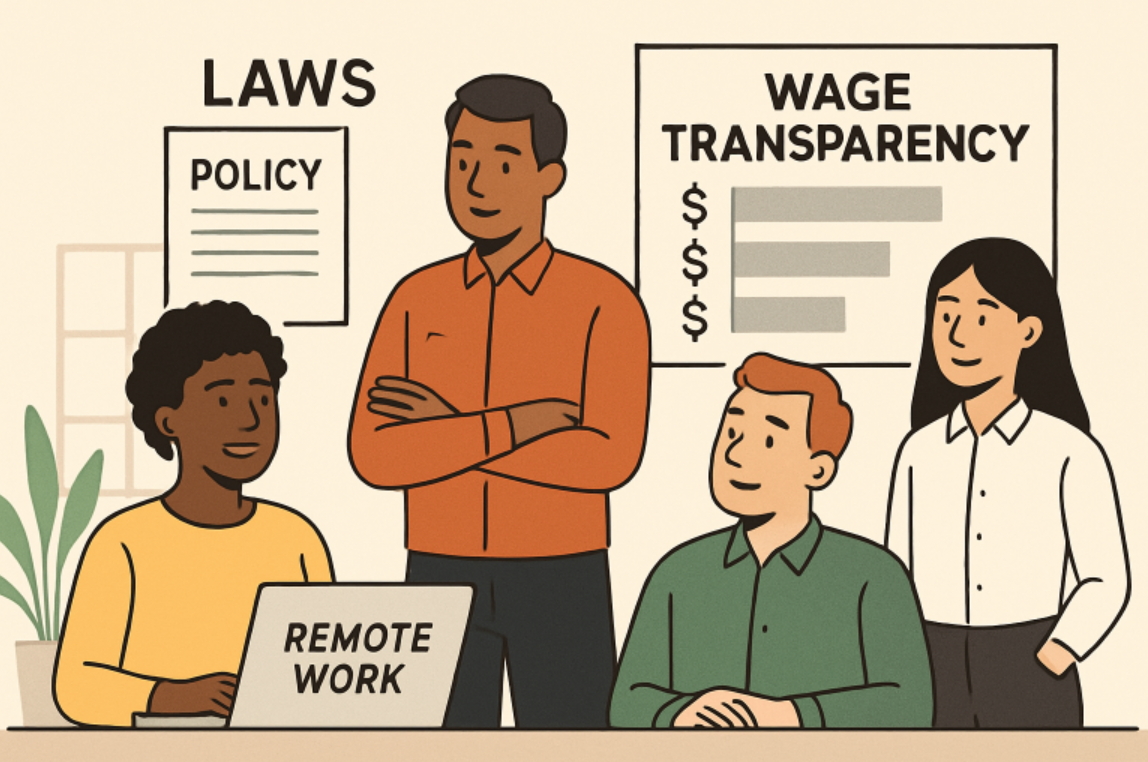
Workplace dynamics and employee rights are evolving in a digital and global world, making it more essential than ever for workers and management to stay educated. Whether you are entering the workforce, managing a team, or navigating a workplace dispute, knowing your legal protections can make a significant difference in your career and security. For anyone in need of guidance, connecting with employment attorneys in Colorado Springs can help clarify your rights and offer tailored support for complex situations.
As regulations shift and technology advances, so do the challenges surrounding fair treatment and workplace compliance. From remote work arrangements to new standards on salary transparency and digital monitoring, employees should regularly review changes to ensure their workplace is both just and compliant with the law. Keeping up to date not only protects individuals but also strengthens businesses by building a foundation of trust and minimal risk.
At the same time, federal and state governments are frequently enacting changes in labor standards, with notable reforms in protections against discrimination, family leave policies, and adaptive workplace technologies. Navigating these changes often requires practical guidance and support to ensure both compliance and a positive work environment for all. Staying ahead of these legal shifts helps foster programs and policies that benefit organizations and the people behind them.
It’s also important to be aware of emerging issues, such as the role of artificial intelligence in the hiring process and efforts to prevent algorithmic bias, which will likely shape employee rights and expectations for years to come. Both employers and employees benefit from understanding how new technologies and legal actions impact their daily operations, rights, and career prospects.
Key Employment Laws
Current labor laws are designed to safeguard the rights of workers and promote fair practices in the workplace. Here are some of the most significant pieces of legislation active today:
- Fair Labor Standards Act (FLSA): This law establishes standards for minimum wage, overtime pay, recordkeeping, and child labor. The FLSA has a far-reaching impact, affecting most public and private employment sectors. More details are available at the U.S. Department of Labor.
- Title VII of the Civil Rights Act of 1964: Prohibits workplace discrimination based on race, color, religion, sex, or national origin. This law is a cornerstone of workplace equity and is enforced by the Equal Employment Opportunity Commission (EEOC). For more information, please visit the EEOC’s official website.
- Americans with Disabilities Act (ADA): Protects individuals with disabilities from discrimination and requires employers to provide reasonable accommodations unless undue hardship is shown.
- Family and Medical Leave Act (FMLA): Grants eligible employees up to 12 weeks of unpaid, job-protected leave for certain family and medical reasons, including serious health conditions and the birth or adoption of a child.
Understanding these laws enables employees to advocate for themselves and provides employers with a framework for handling workplace issues fairly, thereby avoiding costly litigation and fostering positive employer-employee relationships.
Emerging Trends in Employment Law
As workplace culture and expectations shift, new legal trends are emerging to address modern challenges. Here are key trends currently impacting the workforce:
- Remote Work Regulations: The rise in remote and hybrid work has prompted a reassessment of policies governing wage payment, safety, and even work-life balance. Companies must strike a balance between operational needs and respect for worker privacy and local labor requirements. Monitoring and privacy issues are ongoing concerns in remote employment.
- Pay Transparency: Several jurisdictions, including California and New York, now require employers to list salary ranges in job postings. This push for transparency is designed to close wage gaps and encourage fairness from the outset of the employment relationship.
- Artificial Intelligence in Hiring: AI is increasingly used to filter candidates, conduct interviews, and evaluate job applications. However, concerns over inadvertent bias have led regulators to scrutinize these tools and propose new guidelines to ensure equitable treatment during the hiring process.
Staying alert to these trends enables organizations to remain competitive and compliant while fostering trust among employees who seek transparency, fairness, and security in their roles.
Frequently Asked Questions
Can my employer monitor my remote work activities?
Employers often have the right to monitor work activities to ensure productivity and protect company interests. However, such monitoring must align with federal and state privacy laws. Employees should look for clear workplace policies that explain the extent of electronic monitoring and how data may be used.
Are employers required to provide accommodations for mental health conditions?
Yes. The ADA requires employers to accommodate employees with mental health challenges, provided the accommodations are reasonable and do not cause undue hardship. Examples include flexible work arrangements or modified job duties. Employees should communicate their needs and, if necessary, medical documentation to their employer.
How do pay transparency laws affect job seekers?
Pay transparency laws mandate the disclosure of salary ranges in job advertisements. This benefits job seekers by setting clear expectations and discouraging pay discrimination. It can also empower negotiations from an informed position, particularly for women and minorities who have historically been affected by wage disparities.
Conclusion
Knowledge of employment laws enables both employees and business owners to build respectful, compliant, and productive workplace environments. Adapting to trends like remote work, pay transparency, and the use of AI in hiring is essential for future success. Staying informed—whether through self-education, professional advice, or consulting trusted sources—ensures ongoing compliance and workplace fairness. Continued awareness and advocacy for your rights ensure that modern workplaces benefit everyone, building a foundation for positive, long-lasting employment relationships.