

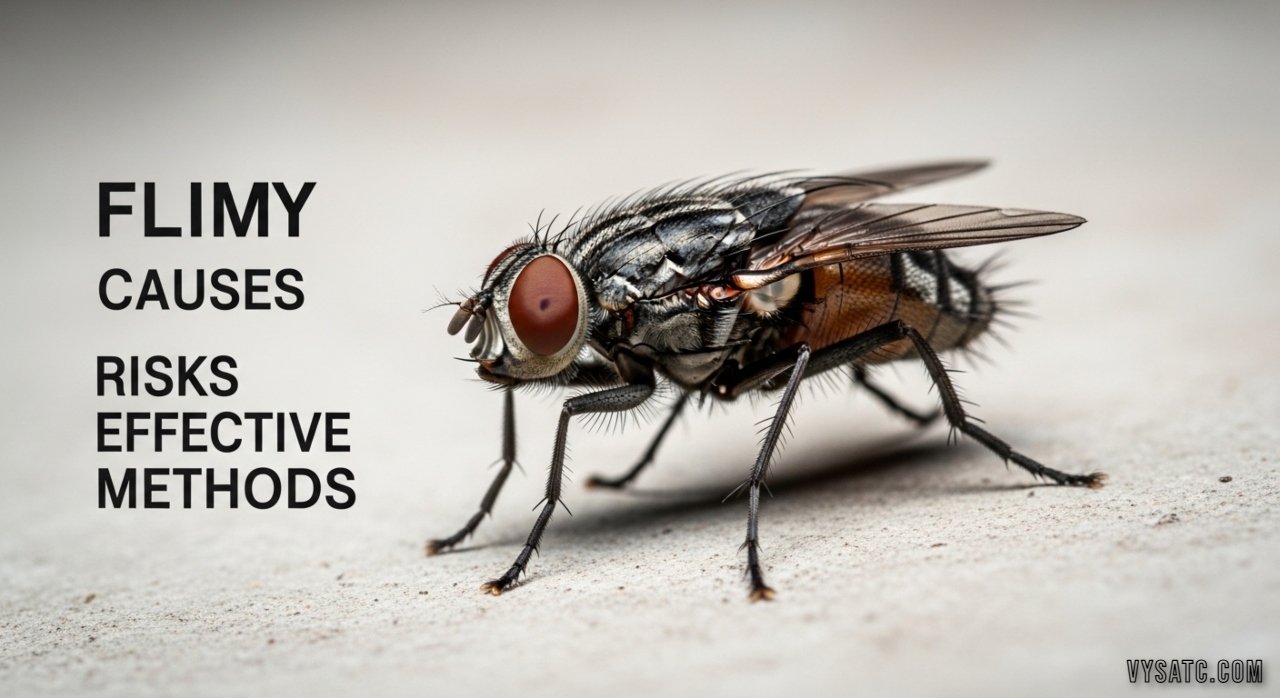
Insects have always been part of the natural ecosystem, but some become serious nuisances when they invade human spaces. One such pest is the flimy fly, a term commonly used to describe flies that thrive in moist, dirty, and decaying environments. These flies are not just unpleasant to look at; they also pose health risks and indicate poor sanitation. Understanding why these flies appear, how they spread, and the best ways to control them is essential for maintaining a clean and healthy environment.
This article explores the nature of the flimy fly, its causes, associated risks, and practical methods for prevention and elimination.
What Is a Flimy Fly?
The flimy fly is not a single scientific species but a general term used to describe flies that are attracted to slime, filth, and organic waste. These flies are often found around garbage bins, drains, sewage areas, rotting food, and damp corners of homes or commercial spaces.
Their appearance is usually associated with:
- Sticky or slimy residues
- Decomposing organic matter
- Poor ventilation and drainage
Because they thrive in unhygienic conditions, their presence often signals a deeper cleanliness or maintenance issue.
Common Places Where Flimy Flies Appear
Flimy flies can be found in many indoor and outdoor locations, especially where moisture and waste accumulate.
Household Areas
- Kitchen sinks and drains
- Trash cans and compost bins
- Bathrooms with poor drainage
- Damp basements
Commercial Spaces
- Restaurants and food storage areas
- Slaughterhouses and markets
- Sewage treatment facilities
- Hospitals with waste disposal issues
These flies multiply quickly when conditions are favorable, making early identification critical.
Why Do Flimy Flies Thrive?
Several factors contribute to the growth and spread of flimy flies. Understanding these causes helps in controlling them effectively.
Moisture and Dampness
Flies need moisture to breed. Leaking pipes, clogged drains, and stagnant water create ideal breeding grounds.
Organic Waste
Rotting food, animal waste, and decomposing materials provide nourishment for fly larvae.
Poor Sanitation
Irregular cleaning routines allow slime and bacteria to build up, attracting flies.
Warm Temperatures
Flimy flies reproduce faster in warm environments, making summer months particularly problematic.
Life Cycle of a Flimy Fly
Like most flies, the flimy fly goes through four stages:
- Egg Stage – Eggs are laid on moist organic matter
- Larva (Maggot) – Feeds on decaying material
- Pupa – Develops into an adult
- Adult Fly – Capable of reproduction within days
The entire life cycle can take as little as one to two weeks, which explains how infestations grow rapidly if unchecked.
Health Risks Associated with Flimy Flies
The presence of flimy flies is not merely a cosmetic or comfort issue. These insects can carry serious health risks.
Disease Transmission
Flies often move between waste and food surfaces, spreading:
- Bacteria such as Salmonella and E. coli
- Viruses
- Parasites
Food Contamination
When flies land on uncovered food, they transfer pathogens that can cause food poisoning.
Allergic Reactions
Some people may experience skin irritation or respiratory issues due to fly presence.
Psychological Discomfort
Constant exposure to flies can cause stress, anxiety, and discomfort, particularly in living or dining spaces.
Signs of a Flimy Fly Infestation
Early detection helps prevent severe infestations. Common warning signs include:
- Increased fly activity near drains or trash
- Slimy residue in sinks or floor corners
- Unpleasant odors
- Presence of maggots
Ignoring these signs can lead to rapid population growth.
How to Prevent Flimy Fly Infestations
Prevention is always more effective than treatment. By maintaining cleanliness and addressing problem areas, you can significantly reduce the chances of infestation.
Maintain Proper Hygiene
- Clean kitchen surfaces daily
- Dispose of garbage regularly
- Wash trash bins with disinfectant
Control Moisture
- Fix leaking pipes
- Keep bathrooms dry and ventilated
- Use dehumidifiers in damp areas
Seal Entry Points
- Install window screens
- Seal cracks and gaps in walls
- Cover drains when not in use
Store Food Properly
- Keep food in airtight containers
- Avoid leaving food uncovered
- Clean spills immediately
Natural Methods to Control Flimy Flies
If flies are already present, natural remedies can help reduce their numbers without harmful chemicals.
Vinegar Traps
A bowl of apple cider vinegar with a few drops of dish soap attracts and traps flies effectively.
Baking Soda and Vinegar for Drains
Pouring baking soda followed by vinegar helps break down organic buildup in drains.
Essential Oils
Scents like eucalyptus, peppermint, and lavender repel flies when sprayed or diffused.
Boiling Water
Pouring boiling water into drains can kill larvae and remove slime buildup.
Chemical Control Options
In severe infestations, chemical solutions may be necessary.
Insect Sprays
Target adult flies but should be used carefully in food areas.
Drain Cleaners
Specialized drain gels remove organic matter where flies breed.
Fly Baits and Traps
Effective for controlling large populations in outdoor or commercial settings.
Always follow safety instructions when using chemical products.
Importance of Professional Pest Control
When home remedies fail, professional pest control services offer long-term solutions. Experts can:
- Identify the root cause
- Apply targeted treatments
- Provide preventive recommendations
This is especially important for restaurants, hospitals, and food processing facilities where hygiene standards are critical.
Environmental Impact of Flimy Flies
Beyond human health, flimy flies also affect the environment. Large infestations can:
- Spread waste-related bacteria
- Disrupt local ecosystems
- Indicate pollution or poor waste management
Managing these flies contributes to a cleaner and more sustainable environment.
Flimy Fly Control in Commercial Settings
Businesses must take extra precautions due to health regulations and public safety concerns.
Regular Inspections
Routine checks help detect early signs of infestation.
Waste Management Plans
Scheduled waste removal and proper storage reduce fly attraction.
Staff Training
Employees should be trained in hygiene and sanitation practices.
Compliance with Health Codes
Strict adherence to regulations prevents legal and reputational risks.
Long-Term Strategies for Fly Management
Sustainable control focuses on prevention rather than repeated treatments.
- Improve drainage systems
- Upgrade ventilation
- Implement regular deep-cleaning schedules
- Monitor problem areas consistently
These steps help ensure that flimy fly infestations do not return.
Conclusion
The presence of a flimy fly is more than just an annoyance—it is a clear sign of underlying sanitation and moisture issues. By understanding the causes, risks, and control methods, individuals and businesses can take proactive steps to maintain hygiene and protect health. From natural remedies to professional pest control, effective solutions are available for every level of infestation.
A clean environment not only eliminates flies but also promotes overall well-being and comfort. Addressing the problem early ensures long-term cleanliness and peace of mind.