

Perfect-bound books have revolutionized the way creative professionals present their work, offering a seamless balance of refinement, flexibility, and practicality. Whether you are an aspiring author, designer, or visual artist, this binding method provides a means to showcase creative efforts in a polished and durable package. For those seeking advanced solutions in bookbinding, perfect bound printing with Printivity delivers professional-quality results tailored to many creative visions.
Perfect binding is a favored method among creatives for its combination of aesthetics and functionality, making it suitable for various projects, such as catalogs and portfolios. Its adaptability supports innovative design while ensuring durability and visual impact, making it essential in the growing self-publishing landscape. This technique not only enhances presentation but also offers cost-effectiveness, making quality production accessible to independent creators. Choosing the proper binding is crucial for the perception and longevity of the work.
Understanding Perfect Binding
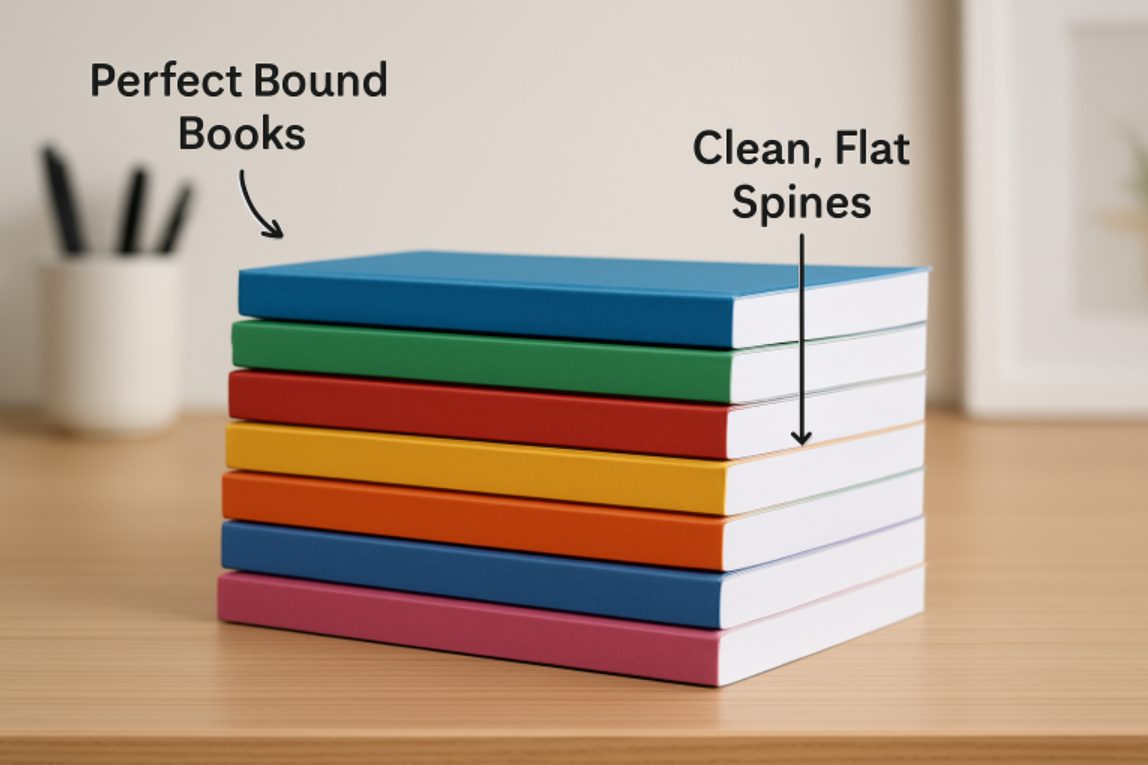
Perfect binding is a widely adopted method where the interior pages and the outside cover are glued together along the spine using a robust adhesive. Unlike stapled or saddle-stitched books, perfect-bound books have a flat, squared spine, which not only gives a sleek, refined appearance but also enables easy shelving and stacking. This method is primarily used for softcover books, magazines, annual reports, and art catalogs, where longevity and presentation are crucial.
The process begins with aligning the sheets in a block. The spine edge is roughened to maximize adhesive penetration. Afterward, the cover is attached, and the book is trimmed for a clean finish. The binding is flexible enough to accommodate projects ranging from 40 to several hundred pages, which is ideal for creative work of varying lengths. This versatility affirms why so many visual artists and publishers prefer perfect binding for their standout pieces.
Advantages for Creative Projects
One of the main attractions of perfect-bound books for creative practitioners is the polished appearance. The flat spine offers branding opportunities—project or author names can be printed there, increasing visibility on shelves. Additionally, the seamless presentation makes perfect-bound books suitable for galleries, exhibitions, and retail environments where first impressions matter.
- Professional Appearance: Perfect binding yields a slick, modern look that enhances the perceived value of your work. This is especially apt for portfolios, coffee table books, and brand lookbooks.
- Versatility: Whether you are producing a concise chapbook or a dense catalog, perfect binding accommodates almost any page count, reducing limitations for creative scope.
- Customization: Cover options allow for creative flourishes such as gatefolds, embossing, or foil stamping, providing further opportunities to express your artistic vision.
Design Considerations
Designing for perfect-bound books introduces new challenges and creative opportunities. Precise attention to technical details ensures your vision translates seamlessly to the finished product:
- Spine Width: Accurately calculate spine width according to page count and paper thickness to maintain design integrity across the cover and spine.
- Margins: Allow extra margin space near the spine to prevent content from being lost in the binding, thereby maintaining visual balance and legibility.
- Bleed Area: Design files should include sufficient bleed to allow for trimming, preventing unwanted white edges on full-bleed artwork or photography.
Enhancing Durability
Longevity is crucial for creative projects, particularly those intended for frequent use or long-term display. Enhance resilience by using:
- Quality Adhesive: Opt for superior glues like PUR or EVA, both known for durability and flexibility, which help the book withstand repeated opening and closing without cracking.
- Paper Selection: Choose sturdy, high-quality stocks that are neither overly thick nor too thin, supporting both flexibility and strength, especially for interior pages that are subject to regular flipping.
- Protective Lamination: Matte or glossy lamination on the cover guards against scuffs, spills, and daily wear, keeping the book vibrant over time.
Cost-Effectiveness
Perfect binding strikes a unique balance between quality and cost. Compared to hardcover or specialty bindings, it keeps production expenses manageable, making it an appealing option for self-publishers, creative agencies, and organizations with limited budgets. Short-run capabilities enable small-batch projects to remain affordable, removing barriers for independent artists or small presses that want professionally finished results without incurring large-scale investments.
Real-World Examples
Perfect-bound books are increasingly popular for lookbooks in the fashion industry, where image presentation and branding are key. Art catalogs and photography portfolios also commonly use this method, providing a sturdy yet elegant backbone for visually driven content. Even corporate entities use perfect binding for annual reports and company profiles, leveraging the format’s professional edge to enhance credibility.
Nonprofits, educators, and authors have embraced perfect binding for self-published works, special event programs, and commemorative books. The ability to seamlessly incorporate full-color images, custom finishes, and various editorial formats ensures that each project stands out, regardless of discipline or scale.
Conclusion
Perfect-bound books have cemented their place at the intersection of creativity, professionalism, and accessibility. By mastering the binding process and carefully considering design and durability choices, creative professionals can deliver projects that captivate audiences and endure over time. As the demand for custom-printed works continues to grow, perfect binding remains the method of choice for those committed to the highest standards in creative presentation.