

Technological advancements are revolutionizing the way homeowners manage indoor temperatures. Today’s innovative HVAC systems utilize automation to deliver not only consistent comfort but also significant improvements in energy conservation and cost-effectiveness. Devices like a mini split AC unit now integrate seamlessly with smart home setups, simplifying both installation and ongoing management.
Unlike older models that require constant manual adjustment, innovative HVAC systems leverage sensors and intelligent programming to provide a more responsive living environment. This results in healthier air quality, tailored scheduling, and greater convenience for families, whether at home or on the go.
Modern intelligent systems also offer substantial support for eco-friendly living. By minimizing unnecessary heating or cooling cycles, these systems help reduce overall energy demand—a growing priority in a world focused on sustainability and efficiency.
From intuitive mobile controls to predictive analytics, innovative HVAC technology empowers households to create their ideal level of comfort while keeping utility bills in check. As adoption increases, these solutions are poised to become the norm in both new builds and renovations.
Enhanced Energy Efficiency
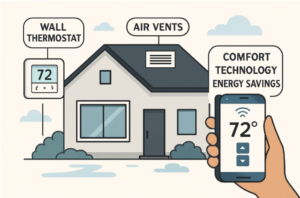
One of the primary benefits of modern HVAC technology is its unprecedented energy efficiency. Smart thermostats and connected systems learn user habits and continually adjust settings to optimize comfort while respecting user preferences. For example, geofencing tracks residents based on their smartphone location. When everyone leaves, the system can automatically adjust to an energy-saving mode, then return the house to the perfect temperature before anyone arrives home. This automation drastically cuts heating and cooling costs, while supporting national efforts toward greater energy sustainability. According to the U.S. Department of Energy, households can save approximately 10% annually by adjusting their thermostats back 7°-10°F for 8 hours a day from their standard setting.
Integration of AI and IoT
Artificial Intelligence and the Internet of Things are key drivers behind the next generation of home climate control. AI-powered systems learn from user preferences, occupancy routines, local weather conditions, and even indoor air quality. IoT-enabled HVAC units use a network of sensors to share real-time data, enabling the system to make minute-by-minute adjustments with unparalleled precision. These self-optimizing systems continually seek ways to enhance comfort and minimize waste, providing homeowners with increased peace of mind and more control than ever before. The fusion of AI and IoT ensures every room is always at its best—whether you’re relaxing, working, or sleeping.
Improved Indoor Air Quality
A frequently overlooked aspect of intelligent HVAC systems is their substantial impact on indoor air quality. Modern units are equipped with advanced filtration that can remove pollen, dust, smoke, and other airborne contaminants. Humidity control modules further ensure a healthier environment by reducing the risk of mold or bacteria developing inside ductwork. Some systems actively monitor indoor pollutants and alert residents if intervention is needed. This focus on clean air is vital as more people spend the majority of their time indoors. According to the EPA, improving indoor air quality can significantly benefit respiratory health, especially for people with allergies or asthma.
Remote Control and Automation
With smart HVAC integrations, managing your home’s climate becomes easier and more convenient, eliminating the need for physical presence. Through smartphone apps, users can adjust the temperature, monitor performance, or set detailed schedules from anywhere in the world. Voice-activated smart home assistants, such as Google Assistant and Amazon Alexa, enable effortless, hands-free operation. This level of control guarantees comfort upon arrival and prevents wasteful energy use during periods of absence. Automated schedules cater to unique household routines, ensuring nightly sleeping temperatures differ from daytime settings without manual intervention.
Predictive Maintenance
Routine maintenance is crucial to keeping HVAC systems running efficiently. Intelligent systems, thanks to integrated sensors and diagnostics, provide homeowners with advanced warnings about performance issues, such as dirty filters, refrigerant leaks, or failing parts. This predictive maintenance capability results in fewer unexpected breakdowns and lower emergency repair costs. Homeowners benefit from optimized unit lifespans, better system reliability, and peace of mind. Early detection also improves safety, as it can prevent complications such as electrical faults or poor air circulation before they become hazardous.
Cost Savings and Environmental Impact
One of the most substantial incentives for adopting innovative HVAC systems is their ability to deliver tangible, long-term cost savings. Technologies such as learning thermostats, occupancy sensors, and data-driven performance optimization enable homeowners to manage their energy use more efficiently, resulting in consistently lower utility bills over time. According to Forbes Home, smart thermostats can reduce heating and cooling expenses by 10–15% on their own, highlighting their significant financial impact. Beyond economic benefits, these systems enhance environmental sustainability by minimizing unnecessary energy consumption and lowering household carbon emissions. By combining comfort, convenience, and eco-conscious operation, innovative HVAC solutions offer a practical way for homeowners to save money while supporting a greener, more sustainable lifestyle.
Conclusion
The emergence of innovative HVAC systems is transforming the way homeowners experience comfort, convenience, and energy efficiency. Leveraging cutting-edge technologies such as artificial intelligence, the Internet of Things, and real-time performance monitoring, these systems enable precise control over indoor temperature, humidity, and air quality, tailoring environments to individual preferences. Homeowners can optimize energy consumption, reduce utility costs, and receive predictive maintenance alerts that prevent costly repairs. Beyond financial advantages, innovative HVAC solutions contribute to healthier living spaces by improving ventilation and filtering airborne pollutants. By adopting these advanced systems, households enjoy a combination of enhanced comfort, improved air quality, and environmentally responsible energy usage, redefining modern home climate management.