

As kitchens grow, maintaining the same level of food quality becomes more challenging. What works for a small setup does not always translate smoothly to higher volumes or increased customer demand. Scaling a kitchen is not just about cooking more food; it is about doing so without compromising taste, consistency, hygiene, or efficiency.
One of the biggest challenges during growth is meat preparation. As volume increases, manual or inconsistent methods often fail to keep up. This is why successful kitchens focus on scalable preparation practices that support growth while preserving quality standards.
Why Scaling Food Operations Requires Better Preparation Methods
When kitchens scale, pressure increases across every part of the operation. More orders mean tighter timelines, higher workload, and greater risk of inconsistency. Without proper preparation systems, quality can decline quickly.
Scaling challenges often include:
- Inconsistent food quality
- Increased preparation errors
- Higher stress on staff
- Difficulty maintaining hygiene standards
Addressing these challenges requires smarter preparation methods rather than simply working faster.
The Role of Preparation Systems in Growth
Preparation systems form the backbone of scalable kitchen operations. When processes are clear and repeatable, kitchens can handle higher volumes more efficiently. Meat preparation is one of the most important areas where systems matter.
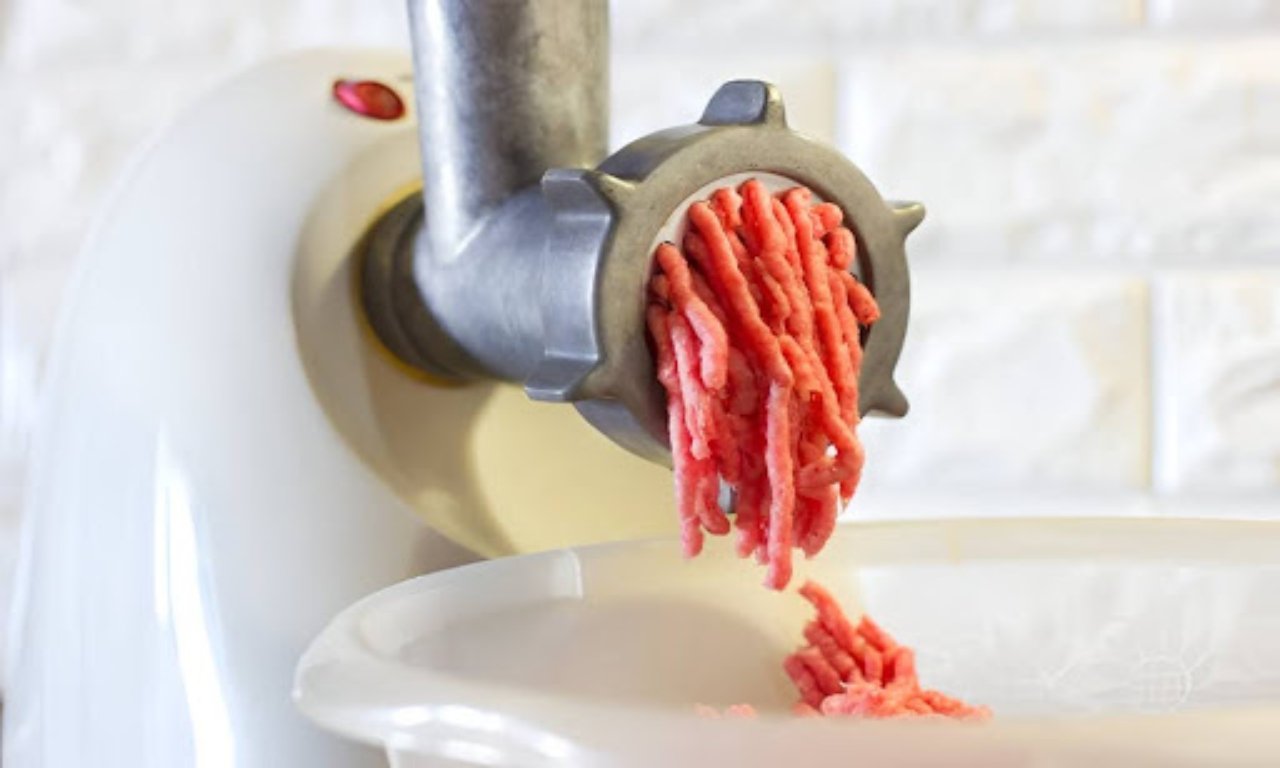
A Meat Grinder allows kitchens to process meat in a controlled, repeatable way. Instead of relying on individual technique or manual effort, meat can be prepared uniformly regardless of volume. This makes it easier to scale operations while maintaining consistency.
Why Manual Methods Break Down at Higher Volumes
Manual preparation methods may work for small volumes, but they become inefficient as demand grows. Increased volume amplifies small inconsistencies, leading to uneven texture, portion errors, and longer preparation times.
Problems commonly seen with manual methods include:
- Slower preparation during peak hours
- Greater physical strain on staff
- Inconsistent results across batches
- Higher chance of mistakes
As volume increases, kitchens need tools that can keep pace without sacrificing quality.
Maintaining Consistency While Increasing Output
Consistency is one of the most difficult things to maintain during growth. Customers expect the same quality whether the kitchen is serving ten meals or a hundred.
Scalable preparation supports consistency by:
- Producing uniform meat texture
- Supporting predictable cooking times
- Reducing variation between batches
- Simplifying quality control
Reliable preparation methods make it easier to maintain standards as output increases.
How Equipment Supports Scalable Workflows
Scalable kitchens rely on workflows that can expand without becoming chaotic. Equipment plays a key role in shaping these workflows. When meat preparation is organized and efficient, the rest of the kitchen operates more smoothly.
Using a Meat Grinder allows kitchens to centralize meat preparation into a clear process. This reduces unnecessary movement, minimizes confusion, and helps staff work more efficiently during busy periods.
Supporting Staff Performance During Growth
As kitchens grow, staff responsibilities often expand. New team members may join, and tasks must be distributed more evenly. Preparation methods that depend heavily on individual skill can become unreliable.
Standardized preparation helps by:
- Reducing dependency on individual technique
- Making staff training easier
- Ensuring consistent results across shifts
- Lowering the learning curve for new staff
Clear systems help teams perform confidently even as operations scale.
Portion Control and Cost Stability at Scale
Growth often increases ingredient costs. Without accurate portion control, costs can quickly spiral. Meat, being a high-cost ingredient, requires careful management.
Consistent preparation supports:
- Accurate portion sizing
- Predictable ingredient usage
- Better cost forecasting
- Reduced overuse and waste
These factors help kitchens scale responsibly without unexpected cost increases.
Hygiene and Safety Challenges in Larger Operations
As volume increases, maintaining hygiene becomes more complex. More handling, more surfaces, and faster pace increase the risk of contamination.
Controlled meat preparation helps reduce these risks by:
- Limiting handling steps
- Centralizing processing areas
- Supporting easier cleaning routines
- Reducing cross-contamination
Safe preparation practices are essential for scaling without compromising food safety.
Why Pre-Processed Meat Limits Scalability
Pre-processed meat may seem like a shortcut during growth, but it often introduces new challenges. Limited control over texture, freshness, and fat content can lead to inconsistent results at scale.
Limitations include:
- Reduced customization
- Short usable time after opening
- Inconsistent quality between batches
- Higher long-term costs
For kitchens aiming to scale sustainably, relying entirely on pre-processed meat can restrict growth potential.
Supporting Menu Expansion Without Quality Loss
As kitchens grow, menus often expand. New dishes require different textures, blends, or preparation styles. Flexible preparation systems make it easier to introduce new items without disrupting existing operations.
Scalable meat preparation supports:
- Easy texture adjustments
- Custom meat blends
- Seasonal menu items
- Limited-time offerings
This flexibility allows growth without overwhelming the kitchen.
Long-Term Efficiency and Equipment Reliability
Scaling kitchens depend on equipment that performs reliably over time. Breakdowns or performance issues can disrupt service and slow growth.
Durable equipment supports:
- Continuous operation
- Reduced downtime
- Lower maintenance costs
- Stable preparation quality
Reliable tools help kitchens grow with confidence.
Choosing the Right Equipment Partner for Growth
Growth requires partners who understand long-term needs. Equipment suppliers should focus on durability, performance, and scalability rather than short-term solutions.
For kitchens preparing to scale their meat processing operations, Mirabake.com offers food processing solutions designed to support growth, consistency, and efficient workflows.
Preparing Kitchens for Future Expansion
Scaling is not a one-time event; it is an ongoing process. Kitchens that plan ahead are better positioned to handle future growth without sacrificing quality.
Improving preparation systems early allows kitchens to adapt more easily as demand increases. Investing in scalable tools and practices supports sustainable expansion.
Final Thoughts
Scaling a kitchen successfully requires more than increasing output. It demands systems that protect quality, efficiency, and safety at every stage of growth. Meat preparation is one of the most critical areas where scalable practices make a real difference.
Controlled preparation methods allow kitchens to maintain consistency, manage costs, and support staff performance as volume increases. A dependable meat grinder plays an important role in this process by enabling uniform preparation and efficient workflows.
With the right systems and tools in place, kitchens can grow confidently while delivering the same quality customers expect every time.