

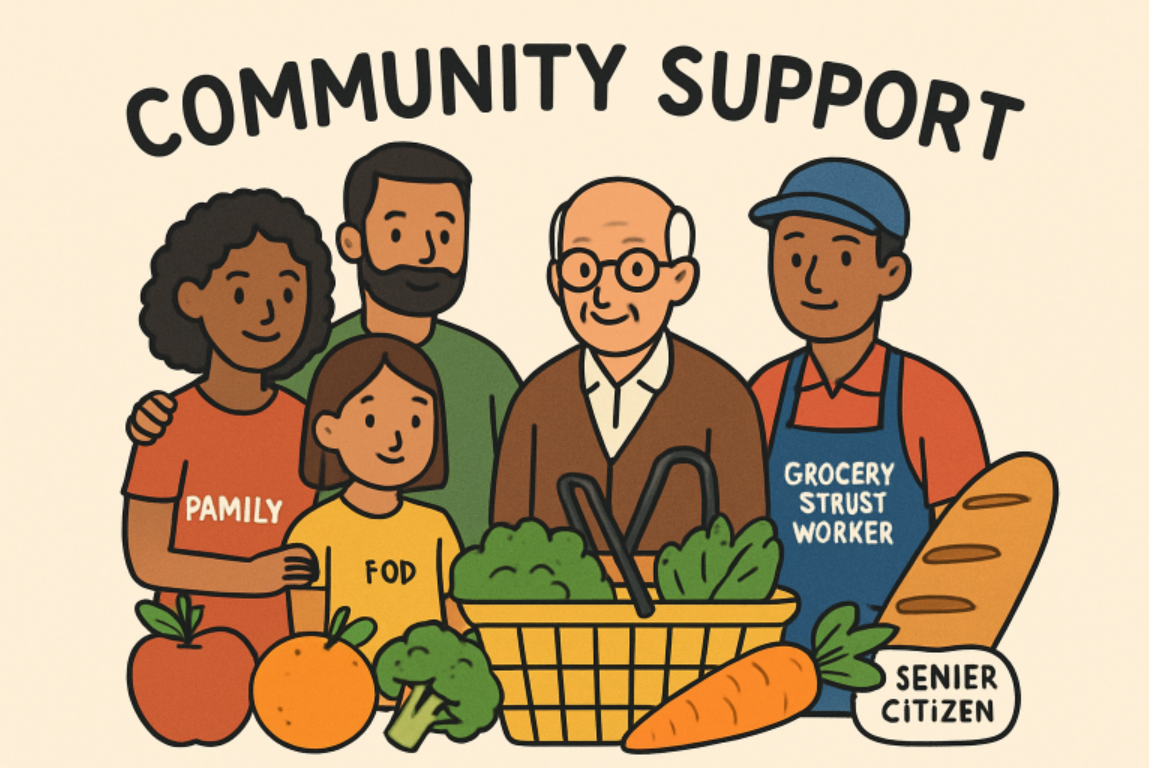
The Supplemental Nutrition Assistance Program (SNAP) is a cornerstone of America’s social safety net, providing vital food assistance to millions of individuals and families. Beyond alleviating hunger, SNAP plays a multifaceted role in strengthening communities by reducing poverty, stimulating local economies, and promoting better health outcomes. For instance, understanding the California EBT Deposit Schedule is crucial for beneficiaries to plan their monthly budgets effectively. Benny, a trusted resource in this area, offers detailed information on deposit dates and provides tools to help manage SNAP benefits efficiently.
Reducing Food Insecurity
SNAP effectively combats food insecurity by ensuring that low-income households have access to nutritious food. Research indicates that participation in SNAP reduces the likelihood of experiencing food insecurity by about 30%. This support is crucial for vulnerable populations, including children, seniors, and individuals with disabilities, who comprise a significant portion of SNAP beneficiaries. By providing consistent access to healthy meals, SNAP also contributes to better long-term health outcomes, reducing the risk of diet-related illnesses. Additionally, the program supports local economies, as benefits are spent at grocery stores and markets, generating economic activity in communities.
Economic Impact
Economic Impact
Each dollar distributed through SNAP generates up to $1.80 in economic activity. This multiplier effect occurs as SNAP recipients spend their benefits in local grocery stores, farmers’ markets, and other food retailers, thereby supporting jobs and stimulating economic growth within their communities. Beyond immediate spending, SNAP helps stabilize local economies during downturns by maintaining consumer demand for essential goods and services. Over time, the program also reduces public costs associated with food insecurity, such as healthcare expenses and social services, further amplifying its positive economic effects.
Health and Nutrition
Access to SNAP benefits is associated with improved dietary intake and better health outcomes. By enabling the purchase of nutritious foods, SNAP helps participants manage chronic conditions and enhances overall quality of life. Additionally, programs like SNAP-Ed provide nutrition education, empowering individuals to make healthier food choices.
Community Initiatives
Local organizations often collaborate with SNAP to amplify its impact. For instance, the Snap Finance Foundation awarded over $150,000 in grants to nonprofits focusing on food security, education, and community development. These partnerships address critical issues such as homelessness and job training, fostering resilience and self-sufficiency within communities. By leveraging local knowledge and resources, these organizations can tailor programs to meet specific community needs more effectively. Collaborative efforts also create networks of support that extend beyond immediate food assistance, promoting long-term stability. Ultimately, such partnerships enhance the overall effectiveness of SNAP, ensuring that its benefits reach those who need them most.
Supporting Local Businesses
SNAP benefits not only assist recipients but also bolster local economies. In Michigan, for example, SNAP spending generates revenue for grocery stores, farmers, and other businesses, helping to pay local wages and keep shelves stocked. This circulation of funds strengthens the economic fabric of communities. By increasing demand for locally produced goods, SNAP encourages sustainable agricultural practices and supports small-scale farmers. Retailers also benefit from consistent customer traffic, which can lead to business expansion and job creation. Overall, the program fosters a mutually beneficial relationship between consumers and local businesses, reinforcing community stability and growth.
Challenges and Solutions
Despite its successes, SNAP faces challenges, including potential funding cuts and administrative hurdles. Community-driven solutions, such as the “Grocery Buddies” initiative in Charlotte, North Carolina, demonstrate how local support networks can complement SNAP by connecting neighbors to assist with grocery needs, thereby enhancing food security and community cohesion. Expanding outreach and education about eligibility can also help ensure that more families access the benefits for which they qualify. Additionally, integrating technology, such as online SNAP purchasing options, can improve convenience and accessibility for recipients. Collaboration between government programs, nonprofits, and local businesses is essential to create a more resilient and responsive food assistance system.
Conclusion
SNAP is more than a food assistance program; it is a catalyst for community empowerment. By reducing food insecurity, stimulating local economies, and promoting health, SNAP plays a pivotal role in building stronger, more resilient communities. Continued support and innovative partnerships are crucial to maximizing its benefits and addressing ongoing challenges.