

The Rise of Streaming TV
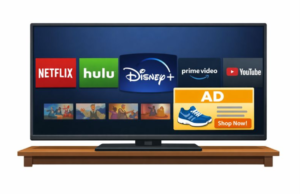
With the explosion of streaming platforms over the last decade, the television landscape has experienced a monumental shift. Modern consumers now expect on-demand content, greater choice, and flexible viewing schedules—all of which streaming TV provides in abundance. As a result, platforms like Netflix, Hulu, Disney+, and Amazon Prime have become leading choices in how audiences watch entertainment, fundamentally transforming the notion of what “watching TV” really means. Audiences now curate their own experiences, opting for either binge-watching entire seasons in a weekend or tasting content on demand, with no commitment to a fixed schedule. More advertisers are directing their strategies toward streaming TV ads as these services surge in popularity, helping brands engage users where they spend the most time.
Recent data demonstrates that streaming TV accounts for nearly 44% of total television time in the United States, and this figure is steadily climbing each year. Not only are households cutting the cord on traditional cable, but they are replacing it with multiple streaming subscriptions, meaning the average viewer consumes content from a mix of platforms throughout the week. Whereas traditional broadcast TV is declining, streaming’s upward trajectory suggests a fundamental transformation in how audiences interact with video content, which in turn is reshaping digital advertising at its core.
Marketing Opportunities in the Streaming Era
This shift goes beyond viewer preference—streaming TV is also redefining how marketers approach campaign planning, media buying, and audience engagement. Brands are seeing more possibilities to reach viewers during premium video content in highly relevant contexts, often on the largest screen in the household. From advanced ad technologies that deliver unprecedented precision to real-time analytics that refine every campaign, the evolution of streaming platforms is driving innovation for marketers and agencies alike.
Advertisers not only gain access to more precise targeting, but they can also benefit from better campaign measurement tools integrated into the backends of streaming services. Rather than guessing at audience segments, advertisers have data on viewing behaviors, time spent, completion rates, and even device preferences. All of this is opening new doors for direct-to-consumer brands and traditional advertisers to experiment with creative, data-driven approaches that were previously impossible in the era of broadcast television. The impact of streaming TV goes well beyond the living room—it’s influencing the broader digital marketing ecosystem and catalyzing growth across all forms of connected media, from mobile to smart home devices.
This change is causing advertisers to evolve their video strategies. Brands can now extend their reach across premium inventory that was previously unavailable, and appeal directly to viewers who are willing to accept advertising as a tradeoff for cost savings. As cord-cutting and content fragmentation progress, this democratizes access to coveted video audiences, helping drive performance, especially for brands seeking to increase market penetration or test new creative concepts without incurring high upfront costs.
Data-Driven Targeting and Personalization
One of the standout advantages of streaming TV is the ability for advertisers to leverage enhanced data and targeting. Unlike traditional linear TV, programmatic ad placement on streaming platforms uses household-level insights—such as demographics, interests, purchase intent, and viewing behaviors—to tailor ad delivery for maximum effect. This focus on personalization helps brands drive higher ad recall, engagement rates, and conversions compared to conventional broadcast advertising. The difference is striking: marketers can serve hyper-relevant messages to distinct audience subsets, maximizing impact for every dollar spent.
Furthermore, streaming TV platforms enable dynamic ad insertion, which allows for real-time, context-based creative switches and message variation. Marketers can test and optimize campaigns using granular analytics, resulting in continual performance improvements throughout the course of multi-channel advertising efforts. Data-driven marketers are leveraging these capabilities to refine their creative messaging—such as swapping out offers, highlighting trending products, or responding to shifting audience behaviors in real-time. These capabilities empower businesses to evolve their messaging strategies with unprecedented flexibility and scalability, leaving behind static, one-size-fits-all campaigns.
Impact on Advertising Spending
The redirection of advertising budgets to digital video is a direct response to evolving viewer habits as well as the measurable ROI delivered through streaming TV. In 2024, U.S. digital video ad spending surged 140% from 2020 levels, officially overtaking investment in traditional television. Marketers are actively shifting dollars to connected TV, recognizing it as a high-value channel for powerful brand storytelling as well as highly targeted, performance-driven campaigns.
This trend is further validated by major players such as Disney and Netflix rolling out expanded ad-supported options, often backed by sophisticated data partnerships and programmatic buying solutions. For marketers, this means better allocation of budget toward channels that deliver tangible, measurable outcomes, further boosting the appeal of digital-first approaches. Importantly, this shift isn’t limited to national brand advertisers—local, regional, and challenger brands now have affordable access to high-quality video inventory and valuable target audiences in a way that was previously cost-prohibitive.
Challenges and Considerations
Despite its benefits, streaming TV advertising is not without its challenges. Ad fatigue is an emerging concern, as viewers are exposed to repetitive or overly intrusive ads, which can potentially diminish the user experience. With more people watching ad-supported streaming than ever, consumers are sensitive to ad frequency and relevance—excessive interruptions can result in channel switching or subscription cancellations. Marketers must navigate this by optimizing frequency caps, improving creative rotation, and refining campaign targeting to maintain positive engagement.
Another persistent challenge is the measurement and standardization of these metrics. With streaming fragmented across various services and devices, there is no universal metric for evaluating campaign effectiveness. Brands and agencies need to invest in cross-platform analytics tools and adopt new frameworks to ensure cohesive, accurate reporting and meaningful comparisons across different media buys. This extra layer of complexity means that advertisers must develop new competencies, blend first- and third-party data, and continually evaluate how their campaigns align with overarching business goals.
The diversification of streaming providers also requires more strategic planning. Brands must carefully select networks, content types, and ad formats to best match their target audience while balancing reach, cost efficiency, and creative impact. Collaborating with trusted partners and leveraging third-party resources, such as Nielsen’s Ad Supported Gauge, can further inform and refine media strategies, providing the actionable insights needed to compete in a crowded space.
Future Outlook
The future of streaming TV advertising is poised for continued growth and innovation. Experts predict the streaming ad market will surpass traditional linear TV within the next three years, as both audience behaviors and advertiser preferences continue to converge on digital-first, data-driven models. As more consumers shift away from cable and towards streaming bundles, the mass adoption of smart TVs and cross-device viewing will accelerate the pace of change.
To succeed in this rapidly evolving environment, advertisers must remain agile—embracing new ad formats, pursuing partnerships that expand advanced targeting options, and keeping pace with industry-wide improvements in audience measurement. Streaming TV will also unlock more interactive advertising formats, shoppable video, and advanced attribution models, all of which promise to bridge the gap between branding and direct response. As technology and viewer expectations evolve, those who invest in experimentation and learning will be best poised to win attention and drive meaningful results.
In summary, streaming TV is driving a seismic shift in digital advertising strategy. From increased flexibility and data-enriched targeting to renewed focus on measurement and creative innovation, the streaming era is creating a new blueprint for what successful digital advertising can look like. Brands that embrace these changes will be well-positioned to engage audiences and achieve measurable success in the years ahead, capitalizing on a golden era for connected TV advertising.