

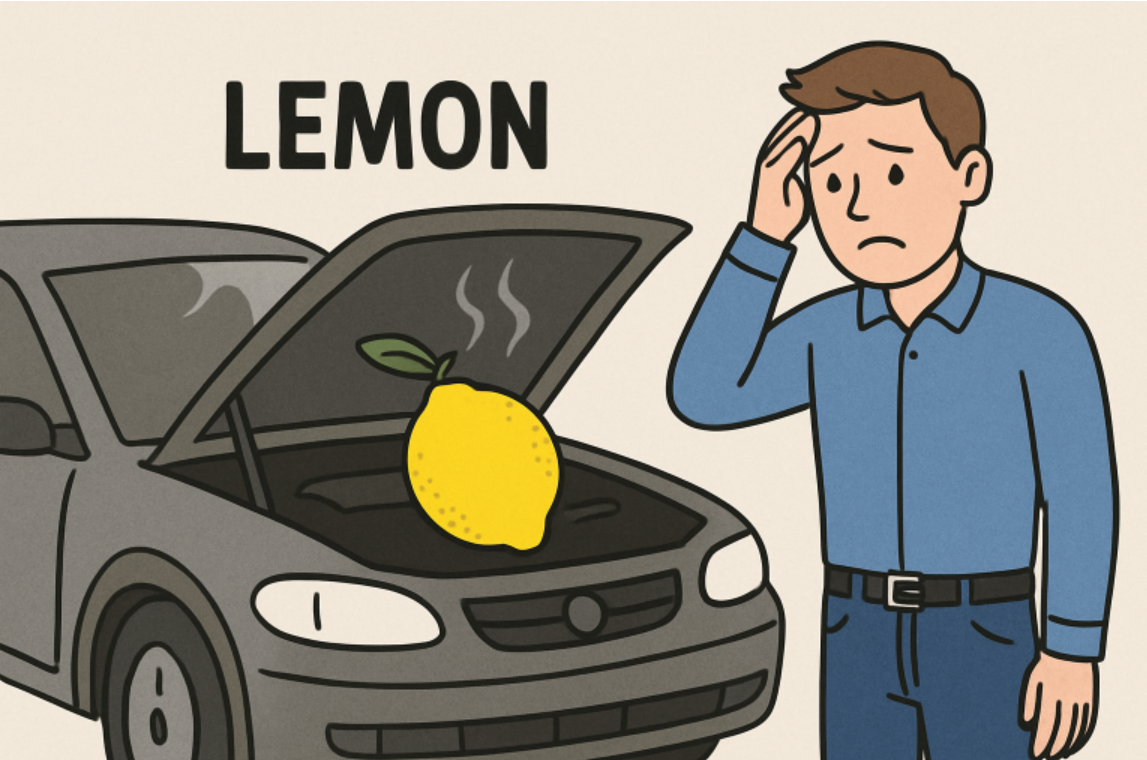
Buying a new vehicle should be exciting, but if you end up with a car that constantly breaks down, you’re not alone. Every year, thousands of consumers discover issues with their new or leased vehicles—sometimes problems that can’t be fixed despite multiple attempts. Fortunately, consumer protection statutes called “lemon laws” exist to help you if your car turns out to be a dud. If you find yourself facing ongoing repairs, a lemon law attorney Delaware can help ensure you understand your rights and work toward a fair outcome.
Lemon laws are designed to shield you from being trapped with a faulty vehicle, but their coverage and requirements are anything but uniform. Each state’s laws come with unique rules, exceptions, and, increasingly, critical recent changes that directly impact consumer rights. As motor vehicle technology advances, and as more people rely on their cars for both personal and business use, staying current on lemon law protections is more important than ever.
What Are Lemon Laws?
Lemon laws are consumer protection statutes enacted at the state level, designed to offer legal recourse to buyers and lessees of new vehicles with persistent, unfixable defects. These laws usually require that the defect “substantially impairs” the car’s use, value, or safety, such as transmission failures, engine problems, or ongoing electrical issues. While the core intent—protecting consumers from being stuck with a bad vehicle—is the same across the country, each state defines “lemon” a little differently and sets its own process for seeking compensation.
Most lemon laws apply only to new vehicles under warranty, but select states also extend protections to used cars or vehicles purchased for small business purposes. Because these rules change over time, and sometimes dramatically, consumers are urged to check their state’s current lemon law specifics.
Even with explicit protections in place, many buyers face uphill battles navigating warranty language and dealership red tape, making timely legal guidance crucial. States like Delaware, for example, have dedicated attorneys ready to support your claim if things go sideways.
For a detailed rundown of how defective vehicle cases have been handled statistically, and why lemon laws are so essential, visit authoritative overviews from Consumer Reports, which explores common scenarios and repair outcomes.
How Do Lemon Laws Work?
The process for a lemon law claim follows a general template, but always review your state’s guidelines for specifics:
- Reporting Defects: Notify your car’s manufacturer or its authorized dealer as soon as an issue emerges. States often require defects to be reported within the first year or so of ownership, or before a mileage threshold is reached.
- Repair Attempts: Give the manufacturer a “reasonable” number of chances to fix the defect. Definitions vary, but typically this means three or four unsuccessful repairs or a certain number of cumulative days out of service, ranging from 15 to 30 consecutive days, due to serious safety problems.
- Pursuing a Remedy: If the problem persists, you may be offered a replacement vehicle or a full refund, including expenses like sales tax and registration. Documentation is critical, so keep records for every repair visit, communication, and bill.
You can learn more about the specifics of lemon law claim processes at Nolo’s lemon law guide, which details each state’s eligibility and procedures.
Recent Changes in Lemon Laws
Lemon law protections are not static, and recent years have seen significant updates in states such as Colorado and California. In August 2024, Colorado expanded its law to include small business vehicles and reduced the number of required repair attempts before a car is declared a lemon. It also added labeling requirements for “lemon buyback” vehicles, ensuring future buyers are informed about a car’s troubled past. For more, be sure to visit Colorado’s official announcement from the Office of the Attorney General.
California, however, saw legislative moves in the opposite direction. Effective January 2025, Assembly Bill 1755 reduced the statute of limitations for claims and made it harder to qualify for protection by narrowing what counts as a “repair attempt.” Crucially, the California Supreme Court ruled that used vehicles with ongoing manufacturer’s warranties cannot qualify for lemon law coverage unless the warranty is reissued at the sale. That means non-certified used cars are left with fewer options if defects occur.
Implications for Consumers
- In Colorado, Drivers, including small business owners, now find it easier to get help with defective vehicles through broader protections and more transparent labeling of lemon buybacks. These changes encourage transparency and faster resolution for affected parties.
- In California: With the restricted scope of protection, used car buyers face increased risk and fewer pathways to relief—and must pay close attention to warranty terms at the point of sale.
Steps to Take If You Have a Lemon
- Document Everything: Write down all symptoms, repair attempts, conversations with the dealer or manufacturer, and save copies of every bill or work order.
- Know Your Law: Lemon laws differ significantly by state—look up the latest version of your state’s law or consult an attorney for clarity.
- Get Legal Help: Don’t hesitate to involve an experienced lawyer if you’re struggling to get results on your own. Legal professionals can expedite your claim and negotiate on your behalf.
Conclusion
Lemon laws provide indispensable consumer protection, helping buyers avoid being saddled with unfixable vehicles. As these laws evolve, staying informed is the most effective way to assert your rights and ensure a fair resolution. Make sure to document every step, understand your local statutes, and seek legal help when necessary—you don’t have to face a lemon alone.