

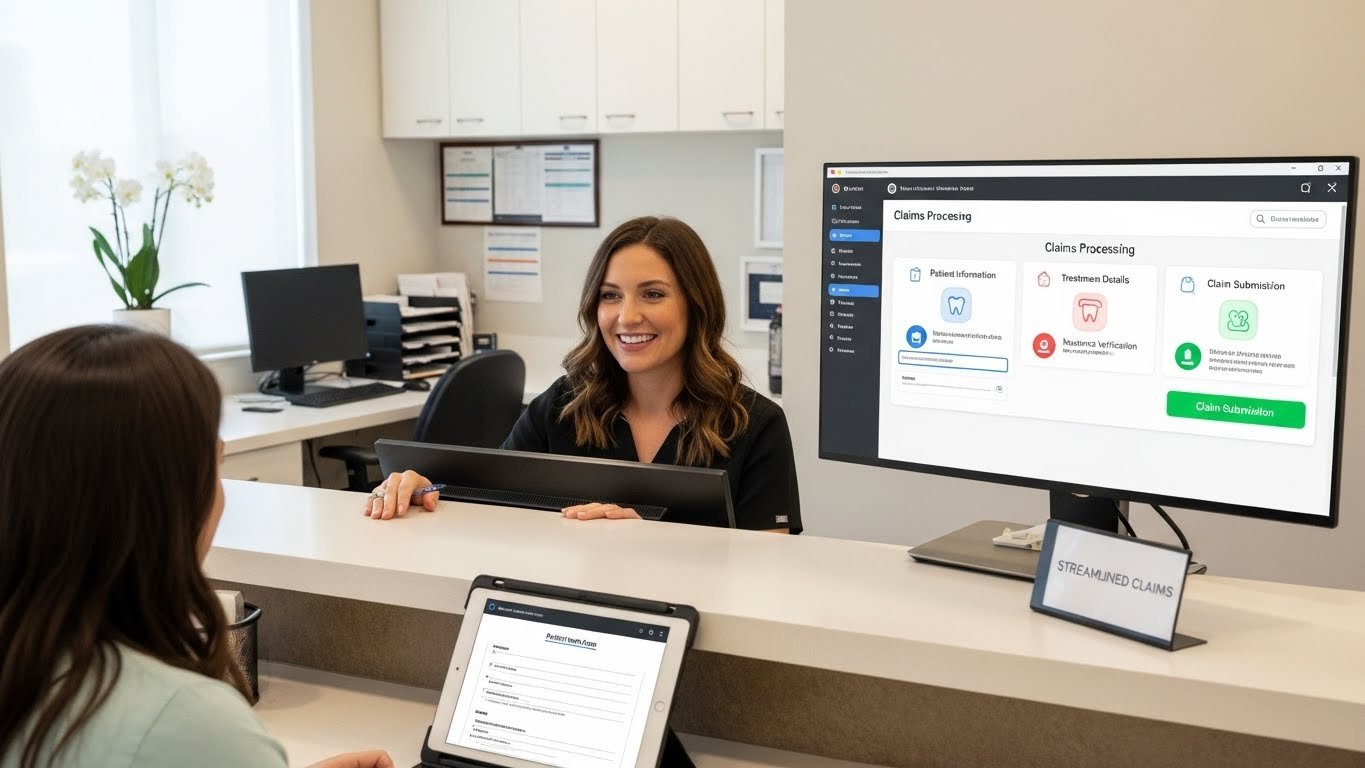
Streamlining dental office operations is essential not only for maintaining financial health but also for delivering consistently positive patient experiences throughout the entire process. Efficient dental claims processing is crucial for minimizing administrative delays, expediting reimbursements, and ensuring the financial stability of the practice. When claims are processed accurately and promptly, practices can dedicate more time and resources to patient care rather than chasing outstanding payments, which can be a major source of stress for staff and administrators. Improved claims processes also facilitate more timely communication between dental offices and insurers, which can help resolve ambiguities promptly and maintain smooth operations.
As insurance requirements change and new technologies emerge, dental offices face mounting pressure to optimize workflows. The ability to quickly adapt to ongoing challenges, such as new payer requirements or regulatory updates, is crucial for long-term success. By understanding the key strategies needed to refine operations and embrace innovation, practices can position themselves as leaders in efficient patient and financial management. Those offices that proactively seek to improve their workflows not only stand out among their peers but also deliver a higher standard of service to patients, contributing to a reputation for reliability and excellence in care.
One distinguishing factor among high-performing dental offices is their savvy use of modern administrative technologies, software tools, and standardized procedures. These improvements result in fewer claim denials, faster reimbursements, and a better overall patient experience, as streamlined processes eliminate unnecessary barriers for both staff and patients. Emphasis on ongoing staff training and coaching, careful management of patient data, and purposeful automation are all vital for creating a seamless workflow from appointment booking to claim payment and beyond. By reducing redundancies and manual touchpoints, practices can minimize errors and improve morale among their front-office and billing teams.
Ensure Accurate Coding Practices
Accurate coding remains one of the most significant factors in reducing claim denials and delays. Even small coding errors or the use of outdated codes can result in costly rejections that require additional administrative effort to correct. To combat this, dental practices should ensure that all staff, including administrative, billing, and clinical team members, receive ongoing training on the latest Current Dental Terminology (CDT) codes and insurance requirements. Providing regular workshops or refresher courses, as well as immediate access to updated digital coding guides, ensures everyone remains well-informed and prepared. Consistently cross-referencing clinical notes with claim submissions further improves accuracy, reducing the risk of corrections or denials. Offices may also benefit from routine audits of submitted claims to catch patterns of error before they become systemic problems, thus building a culture of accountability and quality assurance.
Implement Electronic Health Records (EHR) Systems
Electronic Health Records (EHR) systems centralize the storage and retrieval of patient data, making it exponentially easier to prepare and submit accurate claims for reimbursement. EHRs eliminate the risk of misplaced paperwork and streamline the process of gathering critical patient information, treatment history, and billing records all in one place. This integration greatly enhances coordination among practitioners, administrative staff, and billing specialists, reducing delays that occur when information is siloed. EHR systems also provide robust data security by offering controlled access, user authentication, and powerful auditing tools, aligning with regulatory compliance such as HIPAA and giving patients peace of mind regarding the safety of their sensitive data. Implementing EHRs not only expedites claims processing but also facilitates better patient communication, supports rapid retrieval in case of audits, and contributes to overall record-keeping accuracy.
Utilize Real-Time Insurance Verification
Real-time insurance verification is a crucial step before commencing any dental procedure, and modern verification tools have made this process significantly more accessible. These tools integrate directly with practice management systems to instantly check a patient’s coverage status, co-payment responsibilities, out-of-pocket maximums, and benefit limits. This immediate access to up-to-date insurance information not only prevents unnecessary or unbillable treatments but also ensures that any required pre-authorizations are obtained in advance, which can otherwise lead to expensive claim denials. By confirming patients’ eligibility and benefit coverage at the point of care, dental offices dramatically reduce billing errors and misunderstandings, streamlining the path to faster and more predictable reimbursement.
Standardize Documentation Procedures
Maintaining consistent documentation practices across the entire dental practice supports both accuracy and speed in claims processing. Developing and utilizing standardized templates, digital checklists, and step-by-step documentation protocols ensures all required patient and treatment details are thoroughly captured for every claim. This consistency helps staff retrieve and submit necessary information efficiently, reducing the likelihood of missing critical items, incomplete forms, or discrepancies that frequently cause delays. By documenting all services clearly and thoroughly, practices present stronger, well-supported cases for all billable procedures, decreasing the risk of payor inquiries, additional requests for information, or full audits by insurance providers.
Monitor and Analyze Claim Denials
Continuous monitoring and thorough analysis of claim denials provide dental offices with actionable insights that drive ongoing process improvement. Practices should routinely review denial reports to identify trends and recurring issues, such as common coding mistakes, missing or incomplete documentation, or payer-specific requirements that may not be properly addressed. Conducting regular internal audits supports targeted staff training and helps refine workflow procedures to address the root cause of denials. By learning from each denied claim and treating it as a quality-improvement opportunity, offices can address process gaps, improve overall claim approval rates, and achieve greater revenue stability and predictability.
Leverage Technology for Payment Posting
Automated payment posting solutions can revolutionize the revenue cycle within dental offices. Today’s advanced platforms integrate seamlessly with practice management software, eliminating the tedious need for manual payment entry by automatching incoming insurance payments directly to patient accounts. This technology reduces administrative overhead and significantly minimizes costly errors often associated with manual data entry — a major advantage in busy practices. For example, tools such as Zentist’s Remit AI enable dental offices to implement seamless claim payment reconciliation, dramatically speeding up the revenue collection process and improving overall cash flow, which is crucial for maintaining continuous operational stability and driving practice growth.
Final Thoughts
Dental practices equipped with streamlined workflows, consistent documentation methods, and advanced automation find themselves far better positioned to handle the growing challenges of modern claims processing. By focusing on key areas such as automation, accurate coding, and thoughtful adoption of new technology, dental offices can accelerate payments, minimize avoidable errors, and improve both patient and staff satisfaction. Consistently refining these internal processes and prioritizing ongoing training creates a solid foundation for financial efficiency, regulatory compliance, and exceptional patient care, ensuring lasting success for the practice.