

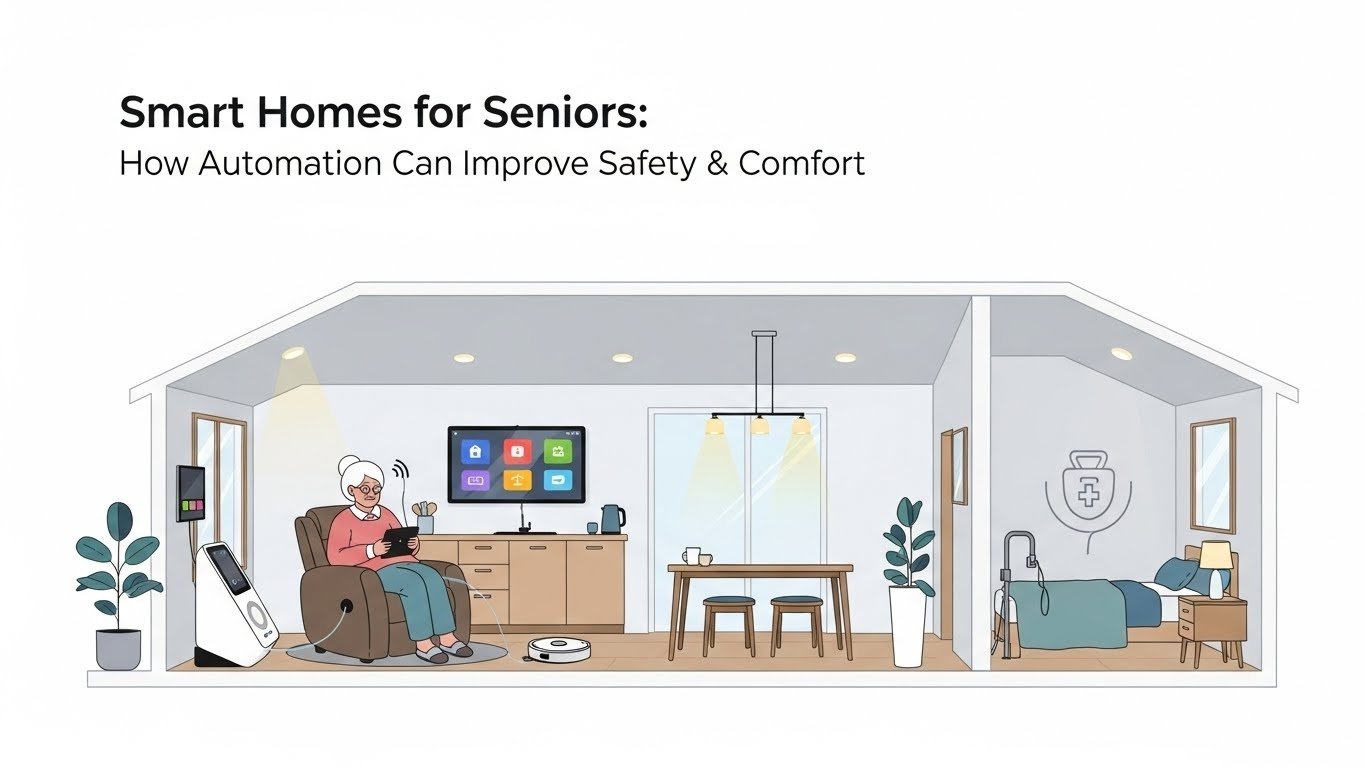
As people age, their needs evolve, and the environment around them must adapt to support those changes. Families worldwide are increasingly seeking ways to help seniors maintain independence while remaining safe, comfortable, and connected. Smart home automation provides a modern and practical solution by blending convenience with thoughtful technology that assists without overwhelming. We will explore how smart devices can make daily living easier for seniors, from reducing physical effort to preventing common home accidents. The goal is to highlight how automation creates a supportive environment that promotes dignity and peace of mind for both seniors and their families. With the right adjustments, a home can transform into a safer, more responsive space that naturally fits into the lifestyle of someone entering a new phase of life.
How Automation Enhances Senior Safety and Comfort
- Improved Safety Through Prevention and Early Alerts
One of the most significant contributions automation can make in a senior’s life is enhanced safety, especially through early detection and prevention. Many elderly individuals face risks such as falls, missed medication, kitchen hazards, or difficulty responding quickly in an emergency. Smart home devices can significantly reduce these risks by monitoring subtle changes, providing instant alerts, and eliminating manual tasks that often lead to accidents. Motion-activated lighting, for instance, brightens hallways and bathrooms the moment someone enters, reducing the chance of tripping in dimly lit areas.
Smart stoves shut off automatically if left unattended, helping prevent kitchen accidents that are common among seniors who may become distracted or forgetful. Wearable panic buttons and voice-activated assistants enable seniors to call for help instantly, eliminating the need to reach for a phone. What makes these solutions effective is their seamless integration into everyday life, providing support without compromising independence. Home automation in Palm Beach takes this a step further by offering tailored systems that connect multiple devices, ensuring safety and convenience throughout the home. Even family members gain peace of mind when they can receive real-time notifications through connected apps, ensuring they stay informed about their loved one’s well-being.
- Greater Comfort Through Automations That Simplify Daily Living
Comfort plays a significant role in the quality of life for seniors, particularly those facing mobility limitations or health issues. Smart home technology helps create a comfortable living space by reducing physical strain and making daily routines more manageable. With smart thermostats, seniors can enjoy consistent indoor temperatures without having to get up and walk across the room or adjust complicated controls. Automated window shades can open and close on a schedule, helping regulate natural light and supporting better sleep cycles.
Voice-controlled systems allow seniors to turn on lights, manage appliances, and control entertainment with simple spoken commands. This reduces unnecessary movement and provides an easier way for them to stay engaged and active in their home environment. For those who enjoy maintaining their independence, such devices bring renewed confidence. Even tasks like locking doors or checking who is at the front entrance become easier, thanks to smart locks and video doorbells. These thoughtful additions create a home that adapts to the senior, allowing them to remain in their familiar space with enhanced convenience.
- Enhanced Health Support Through Monitoring and Smart Routines
Health monitoring is another powerful advantage of smart home automation for seniors. Many elderly individuals require regular medication, stable sleep patterns, and awareness of environmental conditions such as humidity levels or air quality. Smart homes can support these needs by creating structured routines and monitoring changes that may require attention. Smart pill dispensers ensure medication is taken at the right time and send alerts to caregivers in case a dose is missed. Sleep tracking devices help identify disruptions, which may indicate concerns like sleep apnea or discomfort.
Air quality monitors ensure that the environment remains healthy, especially for seniors with respiratory issues. Smart scales and blood pressure monitors automatically sync data, enabling caregivers or healthcare professionals to monitor trends without requiring frequent visits. These automated health tools provide seniors with a sense of control over their wellness while reducing stress for family members who want to stay connected. When daily habits become easier and health information becomes clearer, seniors can maintain their routine with fewer complications.
- Strengthened Connection With Family Through Communication Technologies
Loneliness can have a profound impact on seniors, particularly those living alone. Smart home automation helps bridge this gap by making communication easier and more natural. With voice assistants and video-enabled devices, seniors can make calls, send messages, or request assistance without having to navigate complex smartphone menus. Automated reminders encourage them to stay engaged with loved ones by reminding them of birthdays, scheduled calls, or virtual appointments. Smart speakers can even read news, play music, or guide meditation sessions, helping them feel more connected to the world.
Family members can use integrated apps to check in, share reminders, or view non-intrusive activity reports that confirm their loved one is moving around and following routines. This sense of connection reduces emotional stress on both sides, transforming the smart home into an interactive, supportive environment that extends beyond physical walls. Even small features, like photo-display screens that update automatically, can provide emotional warmth by showcasing family memories throughout the day.
Smart homes provide meaningful solutions that support seniors through thoughtful automation designed specifically to enhance comfort, safety, and connection. By incorporating devices that monitor their environments, simplify daily routines, and facilitate communication, seniors can enjoy independence without compromising their security. For families, this provides reassurance and reduces the worry that often accompanies long-distance caregiving. For seniors, it means living in a space that understands their needs and adapts accordingly. As automation becomes more accessible, it opens the door to a future where aging is not just manageable but empowering.