

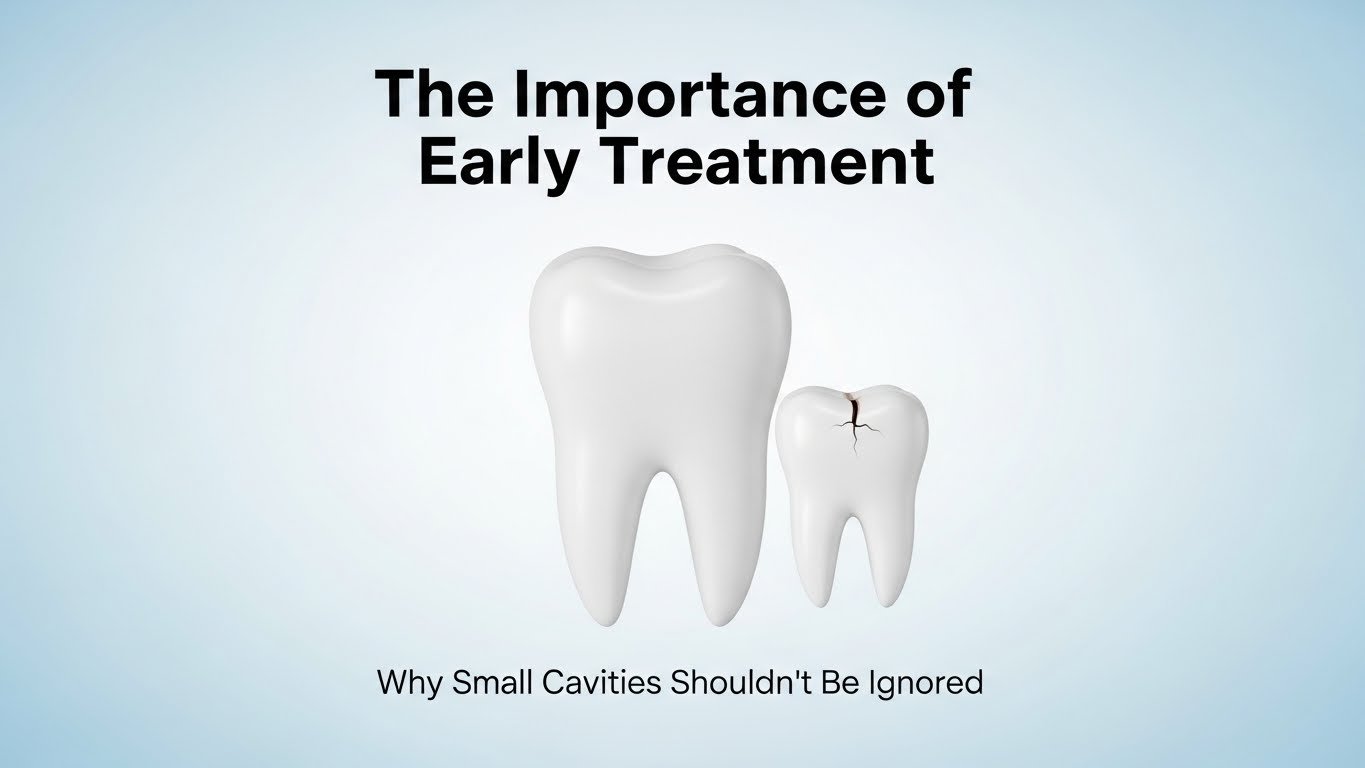
Dental health is often overlooked until a problem becomes painful or obvious, but early intervention is crucial in maintaining strong and healthy teeth. Small cavities, often painless at first, can progress quietly and lead to more serious dental issues if left untreated. By addressing cavities promptly, patients can prevent extensive damage, preserve natural teeth, and avoid more complicated procedures in the future. Early treatment is not just about preventing discomfort; it is about maintaining overall oral health and minimizing the risk of infections or tooth loss. Regular dental check-ups and timely care allow for early detection, which can save time, money, and unnecessary stress in the long run. We will explore why addressing even minor cavities promptly is essential and how it benefits both dental and general health.
Why Small Cavities Require Immediate Attention
- Preventing Further Decay
Small cavities may seem insignificant, but they represent the initial stage of tooth decay. If left untreated, the decay can penetrate deeper layers of the tooth, affecting the dentin and eventually reaching the pulp. At this stage, treatment becomes more complex, often requiring root canal therapy or even extraction. Dental practices that truly care about patients understand the importance of early intervention, as a simple filling can stop the decay in its tracks and preserve the tooth’s structure. Moreover, untreated cavities can create an environment for bacteria to thrive, potentially leading to infections or abscesses. Addressing cavities early reduces the risk of these complications, making oral hygiene maintenance much more manageable and protecting the natural teeth for years to come.
- Reducing Pain and Discomfort
Although small cavities often do not cause pain initially, neglecting them can result in sensitivity to hot, cold, or sweet foods. As decay progresses, it can trigger toothaches that disrupt daily activities and affect eating habits. Early treatment ensures that these minor issues do not escalate into chronic discomfort. Dental procedures at the early stage are usually quick, simple, and minimally invasive, minimizing discomfort compared to more extensive treatments required for advanced decay. By treating cavities before they cause noticeable pain, patients can maintain a comfortable and functional oral environment without enduring unnecessary suffering.
- Preserving Tooth Structure
Every dental procedure involves removing a portion of the tooth, so preserving as much natural tooth structure as possible is crucial. Small cavities can be treated with minimal removal of enamel and dentin, preserving the tooth’s integrity. Ignoring these cavities can lead to larger restorations that require more extensive drilling and filling, ultimately weakening the tooth. In some cases, advanced decay can compromise the tooth so severely that crowns or extractions become necessary. Early treatment ensures that the natural tooth remains strong, functional, and aesthetically pleasing, contributing to long-term oral health and reducing the likelihood of future dental complications.
- Minimizing Treatment Costs
Addressing cavities early can save considerable expenses over time. Small cavities often require only a straightforward filling, which is a relatively low-cost procedure. Delaying treatment increases the risk of more extensive decay, which may require complex procedures such as root canals, crowns, or even extractions followed by implants. These treatments are not only more expensive but also more time-consuming and stressful. By investing in early care, patients can avoid the financial burden associated with advanced dental treatments while maintaining control over their oral health. Early intervention is a cost-effective strategy that benefits both the patient and the healthcare system.
- Preventing Spread of Decay
Cavities are caused by bacteria that produce acids, which erode the tooth surface. If left untreated, these bacteria can spread to adjacent teeth, resulting in multiple cavities over time. Early treatment not only addresses the affected tooth but also reduces the risk of decay spreading to other teeth in the mouth. Maintaining early cavity care promotes better oral hygiene habits, as patients are more likely to adhere to consistent brushing, flossing, and regular dental visits. By halting the progression of decay at its earliest stage, patients can protect multiple teeth simultaneously and maintain a healthier overall oral environment.
- Protecting Overall Health
Oral health is closely linked to general health. Untreated cavities can lead to infections that may affect other parts of the body, particularly in individuals with weakened immune systems or those with chronic conditions such as diabetes. Bacterial infections from dental decay can enter the bloodstream, potentially causing systemic issues. Early treatment reduces these risks and contributes to overall well-being. Maintaining healthy teeth and gums supports better nutrition, prevents chronic inflammation, and reduces the likelihood of severe medical complications. By treating cavities promptly, patients are investing in both their dental and overall health, making prevention a priority rather than a reaction to pain or damage.
- Supporting Confidence and Quality of Life
Dental decay can affect not only physical health but also emotional well-being. Visible cavities or damage to teeth can impact self-confidence, social interactions, and overall quality of life. Early treatment ensures that teeth remain healthy and visually appealing, reducing anxiety about appearance or potential dental issues. Patients can enjoy eating, speaking, and smiling without fear of discomfort or embarrassment. Addressing dental concerns proactively creates a positive cycle of care and attention, encouraging patients to prioritize regular dental visits and maintain healthy habits that enhance both oral health and self-esteem.
Small cavities may seem minor, but ignoring them can lead to significant dental and health complications over time. Early treatment prevents further decay, reduces discomfort, preserves tooth structure, and lowers long-term costs. It also protects overall health, prevents the spread of decay, supports confidence, and encourages strong preventive habits. By addressing cavities at their earliest stage, patients can maintain healthy teeth and gums, enjoy a better quality of life, and avoid complex procedures in the future. Proactive dental care emphasizes the importance of early intervention, demonstrating that even minor issues require attention before they escalate into major problems. Prioritizing early treatment is an investment in both oral and overall health, ensuring a lifetime of strong, healthy teeth.