

Today’s health-conscious consumers are inundated with choices when it comes to nutritional supplements. From vitamins and minerals to herbal extracts and specialty formulas, the market is booming with products promising better health, vitality, and disease prevention. Making sense of these choices requires a discerning approach—both for individual well-being and long-term health outcomes for those interested in learning more about professional supplement manufacturing, Makers Nutrition US supplement manufacturer offers valuable industry insights into the science, safety, and sourcing behind some of the most popular products available.
Supplements play a crucial role in supporting modern health, particularly when dietary gaps exist or health needs change. Before adding any supplement to your daily routine, it’s essential to evaluate your own nutritional intake, consider the potential benefits and risks, and shop wisely. Armed with reliable information, consumers can feel more confident navigating the supplement aisle for themselves and their families.
The supplement industry is vast, encompassing everything from multivitamins to probiotics, protein powders, and botanical blends. Whether driven by a desire to boost immunity, increase energy, improve brain function, or address a specific deficiency, the many options available make due diligence essential. The first step is understanding what supplements truly are and the role they’re intended to play within a balanced diet and lifestyle.
As research in nutrition science evolves, government agencies and independent organizations continue to evaluate the efficacy and safety of supplements—all while consumer demand trends shift. Leveraging reputable sources, like the Cleveland Clinic, for clinical guidance on supplements can help you stay on track with evidence-based recommendations as you weigh your supplement choices.
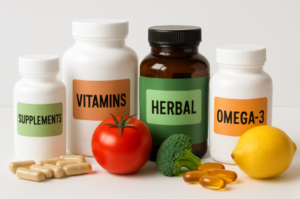
Understanding Supplements: What Are They?
Nutritional supplements are available in various forms, including capsules, gummies, powders, and liquids. They include vitamins, minerals, botanical extracts, amino acids, and enzymes designed to “supplement” the nutrients you obtain from food. Supplements can help bridge dietary gaps for various populations, including pregnant women, older adults, and individuals with food allergies. However, they are not intended to replace a balanced diet. A healthy foundation of whole foods, rich in naturally occurring nutrients and fiber, remains key to optimal health, as highlighted by trusted organizations such as the Mayo Clinic.
Regulation and Safety: What You Need to Know
In the United States, supplements are regulated by the Food and Drug Administration (FDA) as food products rather than medications. Manufacturers are responsible for meeting nutritional needs and ensuring safety and accurate labeling, but pre-market approval by the FDA is not required. As a result, product quality can vary significantly, and the risk of contamination—even with well-intentioned companies—is real. Third-party specifications, such as those from NSF International and the U.S. Pharmacopeia (USP), offer independent testing and certification to help consumers identify superior products. For a deeper dive into supplement regulations, consider reading this National Geographic article, which discusses current oversight and industry challenges.
Common Nutritional Deficiencies and Supplement Solutions
Despite living in an era of food abundance, nutritional gaps remain common. Factors such as a poor diet, specific health conditions, or the natural aging process can all contribute to vitamin and mineral deficiencies. The most prevalent deficiencies and their respective supplements include:
- Vitamin D: Especially low among those with limited sun exposure. Supports bone and immune function.
- Iron: Critical for red blood cell production; low levels can lead to anemia, particularly in menstruating women.
- Magnesium: Important for neuromuscular health. Low intake is linked with cardiovascular and metabolic conditions.
- Omega-3 Fatty Acids: Beneficial for heart and cognitive health, but often lacking in the typical diet.
- Fiber: Essential for gut health, yet the average adult consumes less than recommended amounts.
While it’s best to target these deficiencies through dietary improvements, supplements can provide important support when foods fall short. More about the relationship between diet trends, supplement use, and common deficiencies is available from this Health Science Institute report.
Potential Risks and Interactions
Supplements aren’t free of risk. Overconsumption of certain nutrients, such as vitamin A or iron, can cause toxic effects. Supplement interactions with medications might reduce effectiveness or trigger adverse reactions. Other concerns include mislabeling, undisclosed ingredients, or contamination with heavy metals or pharmaceutical drugs. Always read labels, avoid high-dose single-nutrient supplements unless medically necessary, and consult your doctor if you’re taking prescription drugs or have underlying conditions.
Choosing Quality Supplements
With thousands of products on the market, look for brands that practice transparency and submit to independent certification. Indicators of a trustworthy supplement include:
- Clear labeling of all ingredients and their dosages
- Certification seals from reputable organizations (USP, NSF, ConsumerLab)
- No exaggerated claims about “miracle cures” or quick fixes
Reading reviews and researching the manufacturer’s reputation can further reduce the risk of buying inferior products. High-quality supplements typically disclose both active and inactive ingredients, expiration dates, and batch or lot numbers for traceability.
Integrating Supplements into Your Lifestyle
Before starting supplements, assess your diet and lifestyle to ensure you’re making informed decisions. Identify nutrients or vitamins that may be lacking from your food choices, and address these through whole foods whenever possible. If you decide to use supplements, incorporate only one new product at a time to observe its effects. Combine supplements with a healthy diet and regular exercise, rather than using them to compensate for unhealthy habits.
Consulting Healthcare Providers
It’s wise to partner with a healthcare provider when considering supplement use, especially if you have pre-existing health conditions, are pregnant or breastfeeding, take medications, or are unsure about your nutritional status. Healthcare professionals can monitor for interactions and tailor supplement recommendations to your needs, improving both safety and effectiveness.
Conclusion
Successfully navigating the nutritional supplement market requires a combination of personal education, critical thinking, and professional guidance. By understanding the true role of supplements, recognizing reputable products, and consulting with qualified practitioners, you can make supplement choices that responsibly support your health journey for years to come.