

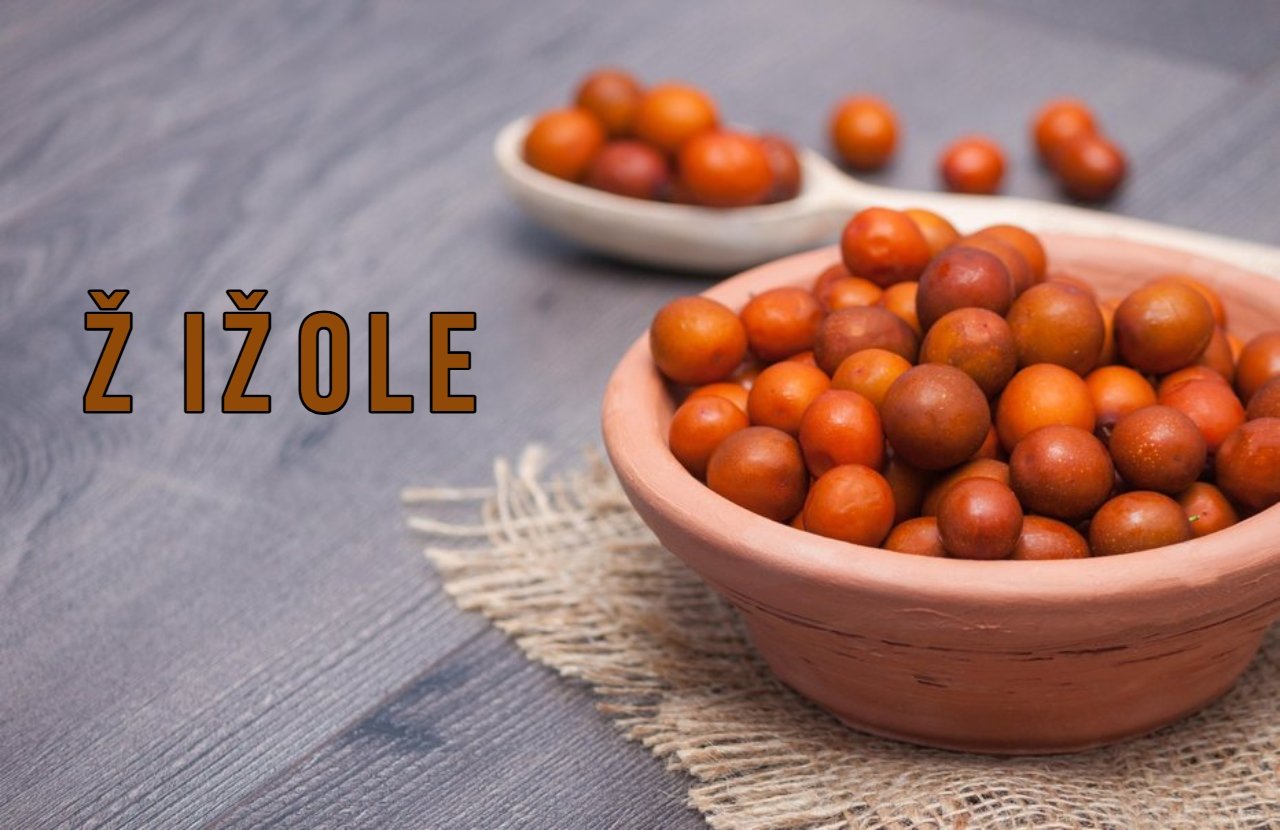
Žižole, a little-known gem of the natural world, is making waves in health and culinary circles alike. This intriguing fruit has roots that stretch deep into history, boasting a legacy rich with cultural significance and nutritional benefits. As more people discover its unique flavor and enticing properties, žižole is becoming a sought-after ingredient in kitchens around the globe. Whether you’re curious about its health perks or want to explore how it fits into traditional practices, there’s much to uncover about this remarkable fruit. Join us on an enlightening journey as we delve into the fascinating story of žižole!
Historical Background of Žižole
Žižole, known scientifically as Cornus mas, has a rich historical background that dates back thousands of years. It is believed to have originated in the regions of Europe and Asia. Ancient Romans and Greeks valued this plant for its medicinal properties.
Throughout history, žižole berries were often used in traditional dishes. They added flavor and nutrients to meals while providing health benefits. Various cultures embraced these berries for their unique taste.
As time progressed, different civilizations recognized žižole’s potential beyond mere sustenance. In folk medicine, it became a remedy for ailments ranging from digestive issues to skin irritations.
The tree itself holds significance too; it symbolizes endurance due to its hardiness and ability to thrive in various climates. This connection with resilience further embeds žižole into cultural narratives across different societies worldwide.
You Might Also Like: Koriandri Secrets
Nutritional Profile and Key Components
Žižole, often overlooked in mainstream diets, boasts an impressive nutritional profile. Packed with essential vitamins and minerals, this fruit is a powerhouse of health benefits.
One notable component is its high vitamin C content. This antioxidant helps bolster the immune system and promotes healthy skin.
Rich in dietary fiber, žižole supports digestive health and keeps you feeling full longer. Its low calorie count makes it an ideal snack for weight management.
Additionally, žižole contains vital minerals like potassium and magnesium. These contribute to heart health by helping maintain blood pressure levels.
The natural sugars found in žižole provide a quick energy boost without the crash associated with processed snacks. Such balanced nutrition makes it a valuable addition to any diet.
Health Benefits of Žižole Consumption
Žižole, often underestimated, offers a plethora of health benefits. Packed with vitamins and minerals, these fruits are a boon for overall wellness.
Their high antioxidant content helps combat oxidative stress. This may reduce the risk of chronic diseases and improve skin health.
Additionally, žižole is known for its anti-inflammatory properties. Regular consumption can aid in alleviating inflammation-related ailments.
Rich in dietary fiber, they support digestive health by promoting regular bowel movements. A healthy gut contributes to better nutrient absorption.
Moreover, some studies suggest that consuming žižole might help regulate blood sugar levels. This makes them an excellent choice for those monitoring their glucose intake.
The presence of essential fatty acids further enhances heart health. Including žižole in your diet could contribute to a healthier cardiovascular system.
Žižole in Traditional Medicine Practices
Žižole has long held a revered place in traditional medicine, particularly in Eastern European cultures. Healers and herbalists have utilized its healing properties for centuries.
The fruit is known for its anti-inflammatory effects. It helps alleviate various ailments, from digestive issues to respiratory conditions. Traditional remedies often incorporate žižole extracts or infusions to harness these benefits.
In some regions, the leaves are brewed as tea. This practice promotes relaxation and supports overall well-being. The antioxidants found in žižole contribute to enhancing the immune system.
Additionally, local folklore speaks of its ability to boost energy levels and improve mood. Many communities still rely on this natural remedy today, blending ancient wisdom with modern wellness practices.
As interest in holistic health grows globally, žižole continues to attract attention for its potential therapeutic applications across diverse populations.
Cultural and Regional Significance of Žižole
Žižole holds a special place in the hearts of many cultures, particularly in Eastern Europe and parts of Asia. This small fruit is not just food; it’s woven into the fabric of local traditions.
In rural communities, žižole trees often symbolize resilience and prosperity. Generations have gathered around these trees during harvest time, celebrating with family and friends. The act of picking žižole becomes a communal event, fostering bonds among neighbors.
Various regional dishes also highlight the importance of žižole. From jams to savory stews, its unique flavor enhances culinary creativity while preserving cultural heritage.
Festivals dedicated to this fruit showcase its significance further. These events draw crowds who cherish both the fruit and what it represents—a connection to nature and shared history within their communities.
Modern Culinary Uses of Žižole
Žižole is quickly making its mark in modern kitchens around the world. Chefs are experimenting with this unique fruit, incorporating it into both sweet and savory dishes.
In desserts, žižole adds a delightful tang to pies and tarts, enhancing flavors with its natural sweetness. Consider blending them into smoothies or using them as toppings for yogurt bowls for an exotic twist.
Savory applications are equally exciting. Žižole can be roasted or grilled alongside meats and vegetables, bringing a rich depth to salads or grain bowls. Their tartness pairs wonderfully with cheese platters, providing a refreshing contrast.
Beverages also benefit from žižole’s vibrant taste. Infusing cocktails or crafting homemade juices elevates drinks to new heights, offering a burst of flavor that’s hard to resist. This versatile ingredient is undeniably carving out its niche in contemporary gastronomy.
How to Grow and Harvest Žižole
Growing žižole requires a sunny spot with well-drained soil. Choose a location that receives plenty of sunlight throughout the day. The seeds can be sown directly into the ground after the last frost.
Watering is essential, especially in dry spells. Keep the soil consistently moist but not waterlogged to promote healthy growth. Fertilization with organic compost can enhance nutrient levels.
As your plants mature, watch for signs of ripeness. Žižole typically develops vibrant colors indicating they are ready for harvest. Gently twist or cut them from their stems to avoid damaging the plant.
Timing is crucial; harvesting too early may affect flavor and texture while waiting too long can lead to over-ripening. After gathering your fruits, store them in a cool place to maintain freshness before using them in recipes or traditional remedies.
Žižole in Global Markets and Trade
Žižole has carved a niche in global markets, attracting attention from both consumers and health enthusiasts. As awareness of its nutritional benefits spreads, demand continues to grow.
Countries with rich agricultural landscapes are increasingly cultivating žižole for export. Producers recognize the fruit’s potential not just as a local delicacy but also as a sought-after ingredient in international cuisines.
Trade routes have expanded, connecting producers to markets where health-focused diets thrive. This includes regions that prioritize organic and natural foods, making žižole an appealing choice for retailers looking to diversify their offerings.
E-commerce platforms have further boosted accessibility. Consumers worldwide can now easily purchase dried or processed forms of žižole online, increasing its visibility on dining tables far beyond its native lands.
As sustainability becomes more important in trade practices, ethical sourcing of žižole is gaining traction among eco-conscious buyers. This enhances the fruit’s appeal while supporting local farming communities.
Future Outlook for Žižole Popularity
The future of žižole looks promising as more people seek natural and nutrient-dense foods. With a growing emphasis on health and wellness, these berries are gaining attention for their unique benefits.
As research continues to unveil the advantages of žižole, awareness will likely increase. Their rich nutritional profile makes them an excellent addition to diets focused on holistic well-being.
Culinary trends also suggest that žižole could find new popularity in gourmet cooking. Chefs and home cooks alike are always looking for innovative ingredients that offer flavor and health benefits.
Sustainability plays a crucial role in food choices today. As consumers become more environmentally conscious, the cultivation of žižole may rise due to its adaptability in various climates.
Moreover, social media platforms contribute significantly to food trends. Visual content showcasing creative ways to use žižole can attract interest from diverse audiences around the globe.
Final Thoughts on Žižole’s Value
Žižole holds a remarkable place in both health and culture. Its rich history shows how this fruit has been cherished through generations. With an impressive nutritional profile, it offers numerous health benefits that are well worth exploring.
The role of žižole in traditional medicine illustrates its longstanding significance across various cultures. People have relied on it for natural remedies, passing down knowledge about its healing properties over time.
As interest in sustainable agriculture grows, learning how to cultivate and harvest žižole presents exciting opportunities for many gardeners and farmers. It’s not just a fruit; it’s becoming a staple with economic potential in global markets.
Looking ahead, the future seems bright for žižole as more people recognize its value—nutritional benefits paired with cultural richness make it a true gem worth savoring. Embracing this incredible fruit can lead to healthier choices while celebrating traditions that span centuries.